Meditation: A Practical Guide to Building a Calmer Daily Practice
Meditation is not just a lofty goal for the few; it’s a skill anyone can learn. It’s about training your attention gently, focusing on your breath, and cultivating a sense of mindfulness. Many people, especially beginners, think they need a perfectly clear mind to start. However, even renowned teachers like Sharon Salzberg found their minds wandering after just one breath. This shows that distraction is normal and returning your focus is what truly matters.
Starting your practice can be simple. You don’t need fancy equipment or a gym membership. Just find a comfortable spot and dedicate five or ten minutes to sit quietly. This small action can be a stepping stone toward greater calm and clarity in your day.
In this guide, we will explore the definition and benefits of meditation, practical techniques, and how to build a habit that fits your lifestyle. Today, consider choosing one small action, like sitting quietly after your morning coffee, to start your journey.
Key Takeaways
- Meditation is a learnable practice that trains your attention.
- Distraction is normal; returning your focus is key.
- Start with just five or ten minutes a day.
- No special gear is needed; just a comfortable space.
- This guide will help you build a consistent practice.
What is Meditation?
The art of meditation is open to all, regardless of experience. It involves training your mind to concentrate and redirect attention. This can be toward your breath, bodily sensations, sounds, or even a chosen phrase. As Richard J. Davidson, a neuroscience lab director, notes, meditation is like sports—there are various traditions, each developing different skills.
Mindfulness meditation specifically encourages you to notice when your attention drifts away from your breath. Instead of eliminating thoughts, it teaches you to observe them without judgment. This practice helps you become aware of your feelings and thoughts as they arise.
Your breath serves as an anchor, bringing you back to the present moment whenever your mind wanders into memories or worries. Sharon Salzberg’s experience of having her attention wander after just one breath illustrates that this process is normal. Recognizing distraction is itself a moment of mindfulness.
| Key Concept | Description |
|---|---|
| Training the Mind | Redirecting attention to focus on specific points. |
| Mindfulness | Noticing thoughts without judgment. |
| Breath as Anchor | Returning focus to the breath when distracted. |
| Personal Experience | Everyone experiences wandering thoughts; it’s part of the process. |
Why Learn Meditation?
Exploring the reasons to adopt this practice can lead to significant personal growth. Many people find that incorporating it into their daily routine offers numerous emotional and physical benefits.
Research shows that even a short time spent on this practice can yield remarkable results. For instance, Herbert Benson, MD, introduced the concept of the “relaxation response” in the 1970s, highlighting its effects on heart rate and blood pressure. His findings indicate that this practice can lower stress levels and promote a sense of calm.
Additionally, Amishi Jha’s research reveals that just 12 minutes of this practice, five days a week, can enhance attention and focus. This realistic target encourages you to prioritize your mental well-being.
- Lower Stress: Experience reduced anxiety and improved emotional health.
- Improved Focus: Strengthen your attention and mental clarity.
- Greater Self-Awareness: Develop a deeper understanding of your thoughts and feelings.
- Better Sleep: Enjoy enhanced sleep quality and relaxation.
- Increased Resilience: Build a stronger foundation for facing life’s challenges.
Research from the 2017 Pascoe systematic review and the 2024 Rogerson meta-analysis supports these claims, showing how mindfulness interventions can positively influence physiological stress markers. By observing your thoughts and bodily sensations, you create space for clearer choices and healthier relationships.
How to Meditate: A Step-by-Step Guide
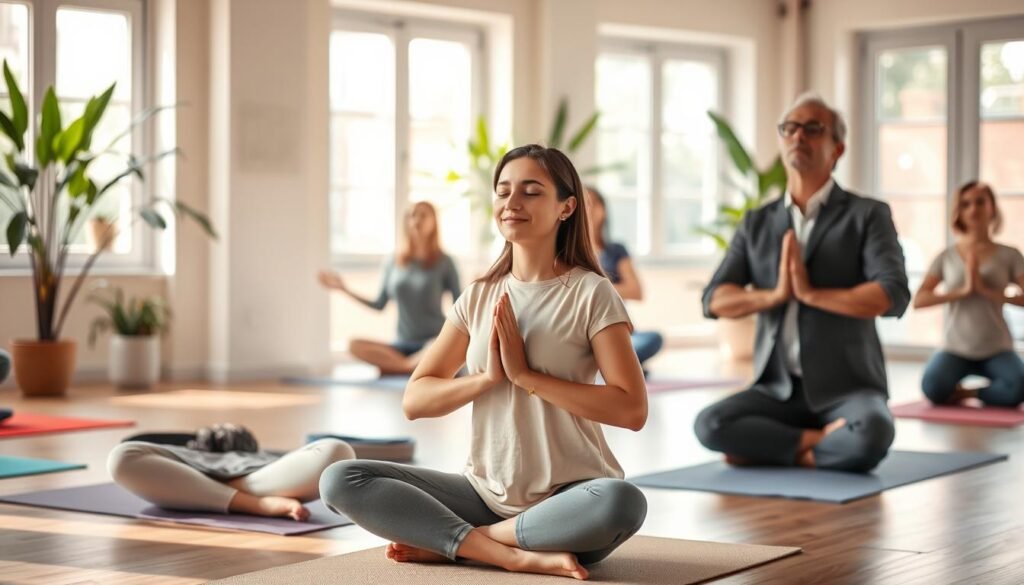
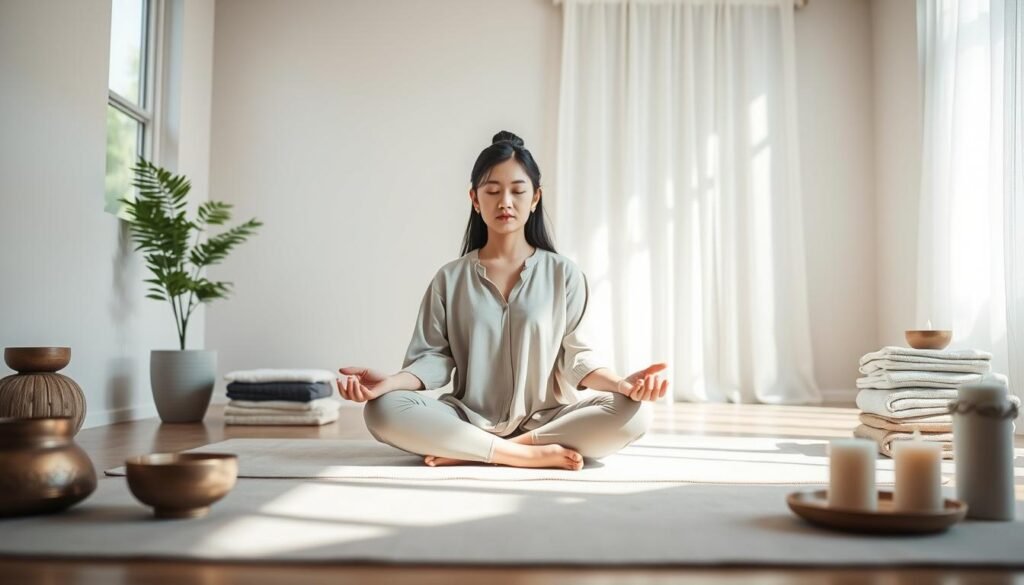
Taking the first steps into this practice is more accessible than you might think. Begin by selecting a quiet spot where you can sit comfortably. Whether in a chair or on the floor, ensure your clothing is loose and comfortable. Set a timer for five to ten minutes to help you stay focused.
Setting Up Your Space and Time
For a stable chair posture, sit upright with your feet flat on the ground and legs uncrossed. Your hands can rest gently on your legs or lap. Keep your spine straight but relaxed, avoiding any rigidity.
Simple Breath Meditation Techniques
Close your eyes gently or keep them softly open with a downward gaze. Focus on your natural breath—notice how it flows in and out without trying to control it. If your mind drifts, simply acknowledge the thought and return your attention to your breath.
If sitting feels uncomfortable, try lying down with a thin pillow under your head and your knees bent. This can help protect your back while still allowing you to engage in this practice.
Remember, the key is to maintain kind attention to your breathing, regardless of your position. As you practice, you’ll find your focus improving over time.
Essential Meditation Techniques for Daily Practice
Incorporating effective techniques into your daily routine can enhance your practice significantly. Understanding the different approaches available can help you find what resonates best with you.
Guided meditation is a fantastic starting point. It provides audio instruction, which can be especially helpful for beginners. You can find structured sessions on platforms like Mindfulness.com and Headspace. These resources offer short sessions that can fit easily into your day.
Concentration and Mindfulness Tips
Concentration techniques often involve focusing on a single point, such as your breath or a mantra. This strengthens your attention over time. In contrast, mindfulness meditation encourages you to observe your thoughts without judgment. Both practices offer unique benefits, allowing you to develop greater awareness.
Using External Cues and Reminders
Since about 95% of our behavior operates on autopilot, external cues can help you create new habits. Consider placing a yoga mat or cushion in a visible spot as a reminder to practice. You might also use “if this, then that” cues, like taking a deep breath when you hear your phone ring. Each return to your focus is a step forward, not a setback.
Building a Consistent Meditation Habit
Creating a daily routine around your practice can lead to lasting benefits. By anchoring your meditation to an existing activity, you make it easier to remember. For example, you could meditate right after brushing your teeth or before your morning coffee. This way, you reduce the number of decisions you need to make.
While mornings are often recommended for this practice, find a time that fits your schedule best. A consistent evening or lunchtime routine can be just as effective. Aim for a gradual increase in your practice time, starting with five minutes and working up to 12 minutes, five days a week. This approach aligns with research from Amishi Jha on enhancing attention.
To support your habit, keep your meditation cushion visible and set calendar reminders. Tracking your sessions can also help maintain motivation. If you miss a day, don’t wait for Monday to restart; jump back in as soon as you can. Remember, the goal is to show up and return your focus to your breath, not to achieve a perfect state of mind.
For more insights on building lasting habits, explore BetterLifeAtlas.
Meditation: Managing a Wandering Mind
It’s completely normal for your mind to wander during practice. In fact, renowned teacher Sharon Salzberg experienced her thoughts drifting after just one breath. This moment illustrates that distraction is part of the process. Instead of feeling embarrassed, embrace curiosity about your wandering mind.
When distractions arise, try this simple three-step response:
- Notice the distraction. Acknowledge it without judgment.
- Label it gently if it helps, like “thinking” or “planning.”
- Return your attention to your breath or body sensations.
The goal isn’t to eliminate thoughts but to shift your relationship with them. Remember, about 95% of our behavior runs on autopilot. This means many habits can trigger old patterns before you consciously realize it.
To create intentional actions, consider these tips:
- Move your phone out of reach to slow down automatic responses.
- Make intentional actions easier by keeping a meditation cushion visible.
- Implement “if this, then that” plans, like taking a deep breath when entering your office.
By applying these techniques, you can transform your practice into a more intentional experience, enhancing your mindfulness and awareness.
Additional Daily Practices to Enhance Meditation
Mindfulness can seamlessly blend into your daily activities, enriching your overall experience. By incorporating simple practices like body scans and walking meditation, you can cultivate awareness throughout your day.
Integrating Movement and Body Scan Techniques
Start with a body scan meditation. This technique involves a gentle check-in with your body, moving your attention from your toes to your head. Notice sensations without judgment or the need to change anything. Here’s a quick guide:
- Begin at your toes, feeling any sensations.
- Move to your feet, legs, pelvis, and abdomen.
- Continue through your back, chest, shoulders, arms, neck, face, and head.
Each pause allows you to connect with your body, enhancing your mindfulness.
Exploring Walking Meditation and Loving-Kindness
Walking meditation is another wonderful practice. Start at a natural pace, focusing on each step. Count from one to ten, then begin again. This keeps your mind engaged and aware of your movements.
Consider practicing outdoors, where you can also appreciate your surroundings. Alternatively, indoors, pause before turning around at the tenth step.
Loving-kindness meditation fosters compassion. Use traditional phrases like:
- “May I live in safety.”
- “May I have mental happiness.”
- “May I have physical happiness.”
- “May I live with ease.”
These phrases can be extended to others, deepening your sense of connection.
Integrating these techniques into your routine makes mindfulness a natural part of your life, enhancing your practice without feeling like an added task.
Conclusion
Starting your journey toward mindfulness can be both straightforward and rewarding. Remember, it all begins with finding a comfortable seat, allowing your breath to flow naturally, and dedicating just a few minutes each day. You don’t need to wait for the perfect moment; even five minutes today can be transformative.
Focus on your breath, explore guided sessions, or practice body scans and walking techniques. These flexible methods can seamlessly integrate into your life, enhancing your overall experience. Choose a consistent cue to remind you to practice at a sustainable time.
For ongoing support, check out BetterLifeAtlas for articles on building lasting habits and managing stress. Ultimately, the most important moment is simply sitting down and taking that first step toward change.
FAQ
What is the best time of day to meditate?
The best time to meditate varies for each person. Some find mornings to be the most peaceful, while others prefer evenings to unwind. Experiment with different times to see what fits your routine best.
How long should I meditate each day?
Starting with just 5 to 10 minutes daily can be beneficial. As you become more comfortable, you can gradually increase your practice to 20 or 30 minutes, depending on your schedule and comfort level.
Can meditation help with stress and anxiety?
Yes, many people find that regular meditation helps reduce stress and anxiety levels. It promotes relaxation and can improve your overall emotional well-being.
Do I need to sit cross-legged to meditate?
No, you can meditate in any comfortable position. Whether sitting in a chair, on the floor, or even lying down, the key is to maintain a posture that allows you to focus without discomfort.
What if my mind keeps wandering during meditation?
It’s completely normal for your mind to wander. When you notice this happening, gently bring your focus back to your breath or your chosen point of focus without judgment.
Is guided meditation better for beginners?
Guided meditation can be very helpful for beginners as it provides direction and structure. Many find it easier to follow along with a teacher or audio guide, especially when starting out.
How can I make meditation a habit?
To build a consistent meditation practice, try setting a specific time each day and creating a dedicated space for your practice. Starting small and gradually increasing your time can also help.
Are there any specific techniques for improving focus during meditation?
Techniques such as breath awareness, body scans, and using mantras can enhance focus. Additionally, incorporating mindfulness into daily activities can strengthen your ability to concentrate.