Gratitude for Students: Simple Practices for a More Positive School Day
Gratitude is more than just a feeling; it’s a powerful social-emotional skill that can significantly enhance the daily experiences of children in the classroom. By cultivating an attitude of appreciation, young learners can become more aware of the kindness and support that surrounds them. This awareness not only boosts their emotional well-being but also strengthens relationships among peers.
According to CASEL, gratitude plays a crucial role in developing social awareness. This framework helps educators guide children in recognizing the perspectives and contributions of others. Implementing simple routines, such as journaling or thank-you notes, can easily fit into the school day without requiring a complete curriculum overhaul.
Even small practices can lead to lasting habits. By starting with just one simple activity, you can create a more inclusive and positive environment. These practices support resilience and a sense of belonging, making each school day a little brighter.
Key Takeaways
- Gratitude enhances children’s awareness of kindness and support.
- CASEL connects gratitude with social awareness for effective teaching.
- Simple routines can foster appreciation without major changes.
- Practices support emotional well-being and resilience.
- Start small to build lasting habits throughout the school year.
Introduction: Unlocking the Power of Gratitude in Education
The act of appreciating others can transform the dynamics within a classroom, creating a more positive atmosphere. When students recognize and express thanks for the kindness and cooperation of their peers, they build a supportive community. This practice aligns with CASEL’s Social Awareness competency, which emphasizes understanding people beyond oneself.
Regular discussions about appreciation can enhance relationships among classmates. You might start a brief conversation during homeroom or circle time, encouraging students to share what they appreciate about each other. Using sentence starters like “Thank you for…” or “I would like to express my gratitude for…” can make participation easy and inclusive.
Teaching gratitude not only supports social-emotional learning but also fosters a calmer, more respectful environment. This way, students learn to manage stress and anxiety effectively, making their school experience more enjoyable.
Understanding the Science Behind Gratitude
The brain’s response to appreciation opens doors to enhanced well-being. Research shows that expressing gratitude releases dopamine and serotonin, activating the brain’s reward system. This connection links appreciation with positive emotions, reinforcing the idea that gratitude is more than just a feeling.
Andrea Hussong and her research team identified a four-part process for practicing gratitude: notice, think, feel, and do. This simple model can help you and young learners turn appreciation into a tangible experience. Students can notice supportive people or meaningful things, think about why they matter, feel appreciation, and choose an action to express that feeling.
Regular practice of gratitude may strengthen resilience to stress and promote a more positive outlook on life. Dr. Kerry Howells emphasizes that fostering positive emotional states can support engaged learning. When educators incorporate gratitude into the classroom, they help create an environment where appreciation flourishes.
| Component | Description | Benefits |
|---|---|---|
| Notice | Identify supportive people or things | Increases awareness |
| Think | Reflect on their importance | Enhances understanding |
| Feel | Experience appreciation | Boosts emotional well-being |
| Do | Take action to express gratitude | Strengthens relationships |
Key Benefits of Gratitude for Students
Practicing appreciation can create a ripple effect in the classroom. When children express thanks, they not only uplift their own spirits but also foster a supportive environment. This positive atmosphere leads to several key benefits that enhance their overall experience.
Emotional Well-Being: Gratitude helps manage stress and anxiety. By focusing on the positive aspects of their lives, students can build resilience. This emotional strength allows them to face challenges with a hopeful mindset.
Social Connections: Recognizing the efforts of others encourages empathy and kindness. When students appreciate their peers, it strengthens their relationships. This sense of community promotes cooperation and teamwork.
Academic Performance: A respectful classroom atmosphere reduces conflict and distractions. Students who practice appreciation tend to exhibit better behavior, leading to improved focus and learning outcomes.
| Benefit | Example in the Classroom |
|---|---|
| Emotional Resilience | Sharing positive experiences during circle time |
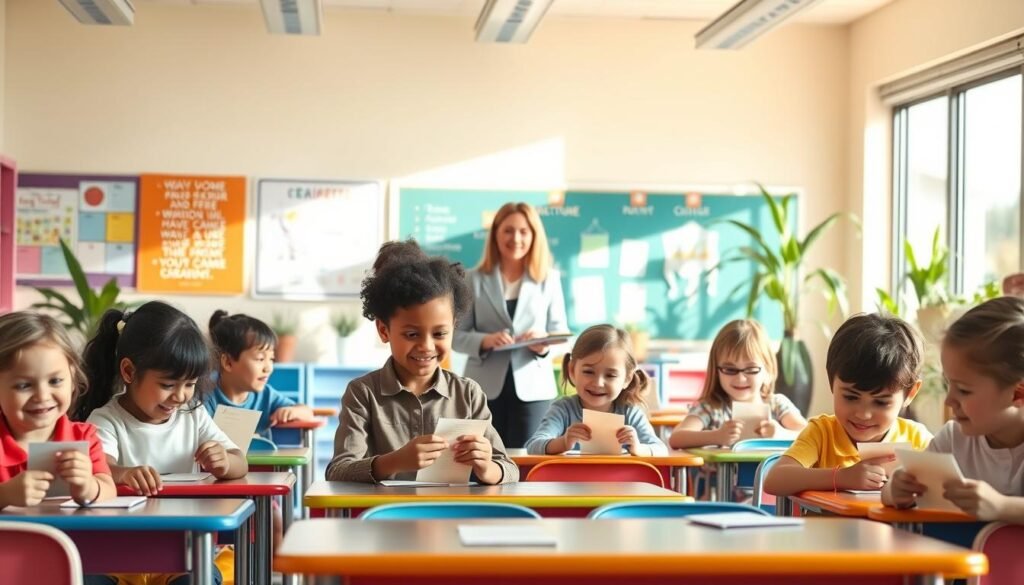
| Stronger Relationships | Writing thank-you notes to classmates |
| Improved Behavior | Creating a “kindness wall” for positive reinforcement |
Gratitude for Students: Daily Practices for a Positive School Day
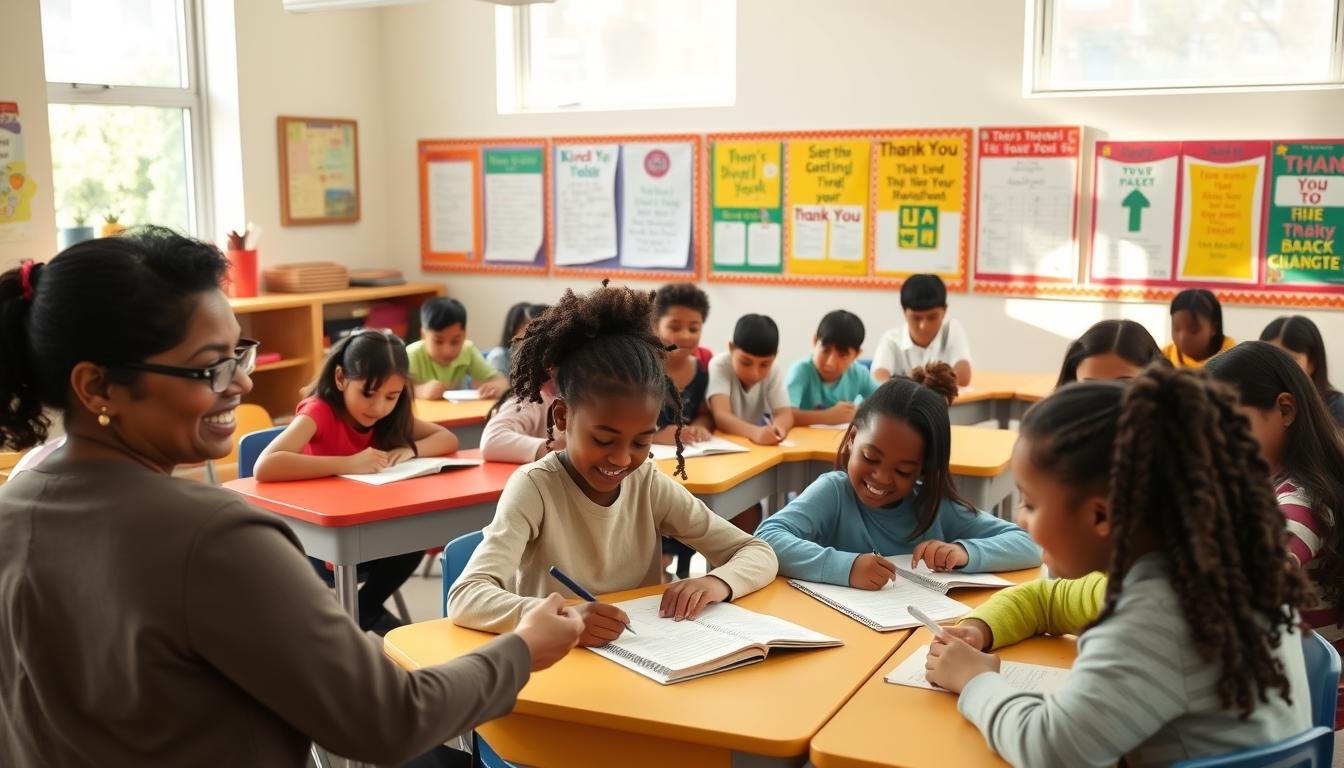
Integrating daily practices of appreciation can significantly uplift the mood and spirit within the classroom. One effective way to start is by implementing a five-minute gratitude journal routine. Each day, students can write down three specific things they appreciate. This can be done at the beginning or end of class, allowing time for reflection.
For younger learners, drawing a picture of a family member, pet, or favorite place can be a great alternative. Older students can take this a step further by explaining why these things matter to them. Prompts like “Who helped you today?” or “What small thing made you smile?” can spark meaningful reflections.
Encourage students to follow Andrea Hussong’s notice, think, feel, and do framework. This can guide their thoughts before deciding whether to express appreciation. Flexibility is key; using private journals, voice recordings, or quick notes allows every student to engage in a way that suits them.
Implementing Classroom Strategies to Foster Gratitude
Fostering an environment where kindness is recognized can transform classroom dynamics. By integrating specific activities, you can encourage appreciation among peers. This can be done through simple, yet effective strategies that make expressing thanks a regular part of the school day.
Thankful Thursdays are a great way to reserve a few minutes each week. During this time, students can share verbally or write notes expressing appreciation. This practice not only builds community but also enhances relationships.
Using Gratitude Letters and Thankful Thursdays
Encourage students to write gratitude letters to classmates or teachers. This can help them articulate their feelings and understand the impact of their words. Use Jeremy Adam Smith’s model to guide them in acknowledging intentions, costs, and benefits in their messages.
Creating a Gratitude Tree and Appreciation Zones
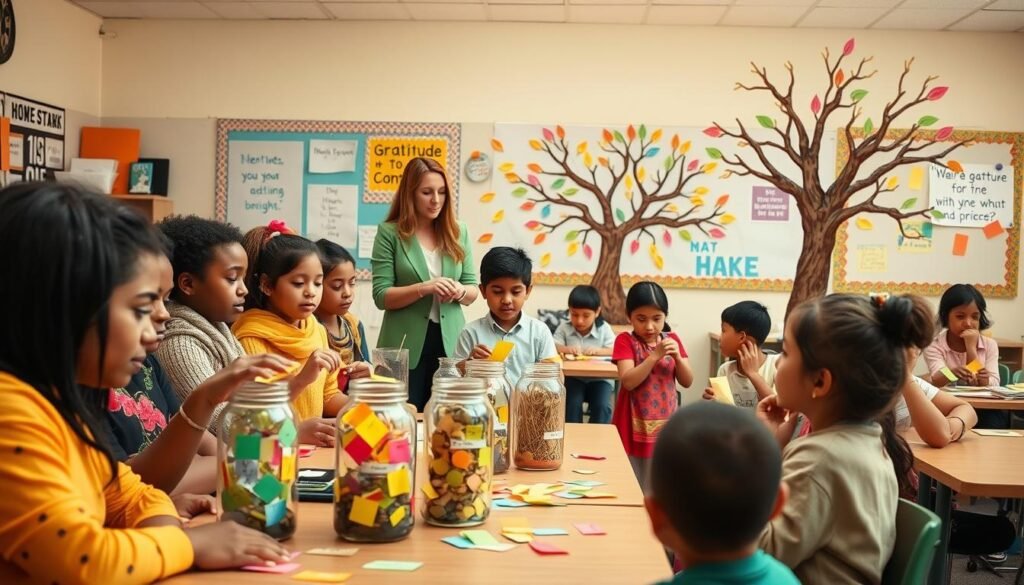
To create a gratitude tree, gather colorful paper leaves or seasonal decorations. Each leaf can represent a student’s expression of thanks. Additionally, set up an appreciation zone with sticky notes or note cards where students can recognize their peers and school staff.
| Activity | Description | Benefits |
|---|---|---|
| Thankful Thursdays | Share appreciation verbally or in notes | Builds community |
| Gratitude Letters | Write letters to express thanks | Enhances relationships |
| Gratitude Tree | Display leaves with appreciation notes | Visual reminder of kindness |
| Appreciation Zone | Sticky notes for recognition | Encourages peer support |
Hands-On Activities to Teach and Express Gratitude
Hands-on activities can serve as powerful tools to instill appreciation in young minds. Engaging in interactive group discussions allows students to reflect on times when someone helped them during difficult moments. This practice encourages sharing and deepens their understanding of gratitude.
Using literature, you can explore how kindness influences relationships. For example, reading Wonder by R.J. Palacio or Because of Winn-Dixie by Kate DiCamillo provides rich examples. Afterward, invite students to write poems or short notes identifying specific people who made a difference in their lives.
Additionally, connect social studies with cultural traditions like the Chinese Mid-Autumn Festival. This can spark discussions on how different cultures express appreciation. In science, consider nature walks where students observe ecosystems, leading to reflections on how all parts of nature support one another.
Flexibility in Gratitude Practices for Diverse Learners
Creating an inclusive environment allows all learners to express appreciation in their unique ways. This flexibility is essential, especially in diverse classrooms where students have different backgrounds and abilities.
One effective strategy is to introduce gratitude vocabulary. Invite English language learners to share how to say “thank you” in their home languages. This not only builds confidence but also enriches the classroom experience.
Tailoring Activities for English Language Learners and Multilingual Families
Using color-coded sentence frames, like those from Tiffany Gordon, can help students write or speak messages. Phrases such as “Thank you for…” and “This helped me because…” provide clear guidance.
Additionally, following Colorín Colorado’s advice, communicate with multilingual families in their home languages whenever possible. This builds stronger connections and support.
Offering Multiple Expression Avenues: Digital Media, Drawing, and More
Encourage students to express appreciation through various formats. They can use drawings, voice memos, or even digital media. Offering choices allows each student to engage in a way that feels comfortable.
Flexible expression protects the core experience of appreciation while honoring different abilities and interests. This approach fosters deeper relationships and enhances learning.
The Ripple Effect: How Gratitude Empowers Educators and Engages Families
The power of expressing thanks can ripple through the school environment, enhancing relationships among educators and families. When teachers and parents work together, they create a supportive culture that benefits everyone involved.
Taking a few minutes each day to note what went well can help educators reconnect with the meaningful aspects of their work. This simple practice can reduce stress and prevent burnout, allowing teachers to thrive.
Reducing Teacher Stress and Building a Supportive Culture
Starting staff meetings with appreciation allows colleagues to recognize each other’s contributions. This practice not only boosts morale but also inspires new approaches to teaching.
Strengthening School-Family Partnerships Through Appreciation Initiatives
Positive phone calls, messages, or notes home can significantly impact student behavior and mental health. Families that feel appreciated are more likely to engage with the school community.
- Consider creating a Wildcat Kindness Club, like Amanda Tokko did at Salina Elementary School in Michigan, to promote organized kindness.
- Use communication tools like TalkingPoints to ensure multilingual families can participate fully in school activities.
- Encourage educators to share appreciation notes to foster a culture of kindness and support.
Conclusion
Embracing appreciation can profoundly impact the classroom experience, fostering a more supportive environment. You can start with just one five-minute journal entry or a simple reflection prompt each school day. This small act can lead to significant benefits, enhancing emotional resilience, relationships, and classroom behavior.
Encourage choices in how appreciation is expressed. Options like writing, drawing, or even digital media can engage all learners. Remember, respectful appreciation extends to classmates, educators, and family members alike.
As you implement these practices, focus on starting small. Notice what resonates with your class and build those habits throughout the year. For further resources, consider exploring materials from CASEL, Colorín Colorado, and the Greater Good Science Center.
FAQ
What are some simple ways to practice gratitude in the classroom?
You can start by incorporating daily gratitude journals, quick reflection exercises, or gratitude letters to peers. These activities encourage students to express appreciation and enhance their emotional well-being.
How does gratitude impact students’ academic performance?
Research shows that expressing appreciation can lead to improved focus, motivation, and overall classroom behavior, which can positively influence academic outcomes.
What is a gratitude tree, and how can it be used in school?
A gratitude tree is a visual display where students can add leaves with notes of appreciation. This activity fosters a sense of community and encourages ongoing expressions of thanks among classmates.
How can educators tailor gratitude practices for diverse learners?
By offering multiple avenues for expression, such as digital media, art projects, or group discussions, you can engage all students, including English language learners and those from multilingual families.
What are the benefits of gratitude for teachers?
Practicing gratitude can reduce stress, improve job satisfaction, and foster a supportive culture within the school, benefiting both educators and students alike.
How can families get involved in gratitude practices?
Schools can encourage families to participate by sharing appreciation initiatives, hosting family gratitude nights, or providing resources for parents to implement gratitude activities at home.