
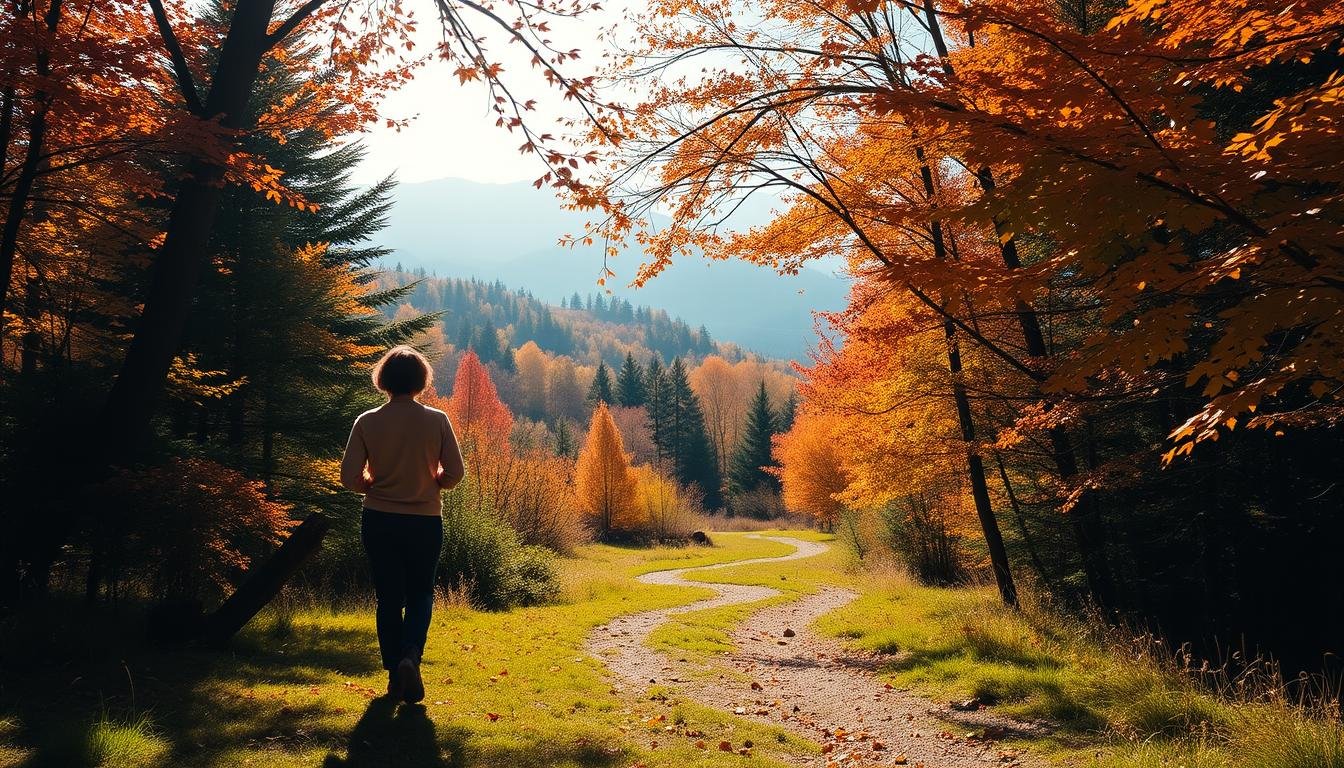
How to Take a Gratitude Walk and Practice Mindfulness Outdoors
Have you ever thought about how a simple stroll can transform your mood? A gratitude walk is not just about moving your feet; it’s a chance to embrace the world around you. This practice combines walking with appreciation and mindfulness, allowing you to reconnect with the present moment.
Famous thinkers like Albert Einstein viewed their daily walks as “sacred.” Similarly, Hippocrates, the father of modern medicine, believed that walking is the best medicine. This shows that intentional movement can support reflection and personal insight.
What’s great about a gratitude walk is its accessibility. You can practice in your neighborhood, a local park, or even your backyard. It’s a perfect fit for everyone, including those using wheelchairs or other mobility devices. By simply noticing the beauty of nature, breathing steadily, and acknowledging the little things you appreciate, you can turn an ordinary walk into a meaningful experience.
Key Takeaways
- A gratitude walk combines movement and mindfulness without needing special equipment.
- Daily walks have long been valued for their ability to support reflection.
- This practice complements, rather than replaces, professional medical care.
- Accessible for everyone, including those with mobility challenges.
- Noticing nature can enhance your walking experience.
Discovering the Benefits of a Gratitude Walk
Have you noticed how a leisurely stroll can uplift your spirits? Combining gentle walking with moments of appreciation can significantly enhance your emotional well-being. This practice allows you to shift your focus away from negative thoughts and toward the beauty around you.
Many experts recommend dedicating at least 20 minutes to this practice. This timeframe offers a flexible benchmark, giving you enough time to settle into the experience. Here are some potential benefits you might notice:
- Calmer emotions and reduced stress levels.
- Improved focus and mental clarity.
- Greater appreciation for the little things in life.
- Better sleep and enhanced circulation.
- Increased self-esteem and empathy.
- Boosted inspiration and creativity.
Glenn Berkenkamp, in his book Walking with Glenn Berkenkamp: 35 Wellness Walks to Expand Awareness, Increase Vitality, and Reduce Stress, shares structured walking ideas that can help you embrace this practice. As you repeatedly notice positive experiences, your brain can rewire itself to make appreciative attention more accessible over time.
Many have found that gratitude walking is a reliable way to reset their mindset. If you’re looking for a way to incorporate mindfulness into your life, consider starting with a simple gratitude walk.
Preparing for Your Mindful Walk
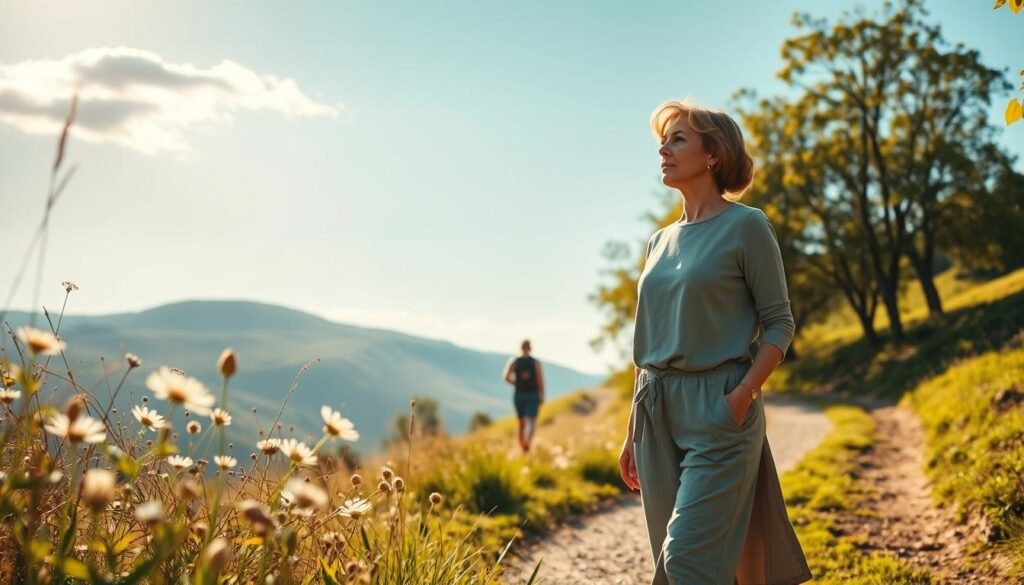
Getting ready for a mindful stroll can enhance your experience significantly. Start by setting a clear intention. Consider what you want to appreciate during your time outdoors. It could be the beauty of nature or the joy of being present in the moment.
Try to reserve at least 20 minutes for your walk. However, even a shorter walk can provide a useful reset. Aim for a pace that feels comfortable, allowing you to enjoy the surroundings without rushing.
Choosing the right environment is crucial. Look for paths with natural features like trees, open skies, or water. These elements can help ground your awareness and enhance your appreciation of life.
Before you step out, take a few deep breaths. Inhale through your nose and exhale through your mouth. This practice can calm your mind and prepare you for the journey ahead.
For a more immersive experience, consider leaving your phone behind or switching it to airplane mode. This way, you won’t be distracted by notifications. Remember, the focus is on the experience of walking, not reaching a destination.
You can enjoy your gratitude walk alone, with a friend, or in a group. It’s a versatile practice that can be adapted to fit your needs.
| Preparation Steps | Details | Benefits |
|---|---|---|
| Set Intention | Decide what to appreciate during your walk. | Enhances mindfulness and focus. |
| Time Commitment | Reserve at least 20 minutes. | Supports a meaningful reset. |
| Choose Environment | Select paths with natural features. | Boosts awareness and appreciation. |
| Breathing Exercises | Take deep breaths before walking. | Calms the mind and prepares you. |
| Phone-Free | Leave your phone behind or on airplane mode. | Minimizes distractions. |
Gratitude Walk: Techniques to Stay Mindful Outdoors
Have you ever felt the world open up around you during a peaceful stroll? This experience can deepen your connection to the moment. By incorporating simple techniques, you can enhance your gratitude walk.
Walking with a Rhythm of Thankfulness
Start by matching your footsteps with gratitude statements. For example, say “I am grateful for my health” with each step. This rhythmic practice keeps your mind focused and aligned with your body.
Integrating Verbal Affirmations and Reflection
Use phrases like “I have gratitude for this moment” to anchor your thoughts. Begin with easy observations, such as appreciating the trees around you. Let more personal reflections emerge naturally as you walk.
Pairing Your Walk with Breathing Exercises
Take deep breaths to enhance your awareness. Inhale deeply, then exhale while acknowledging any difficult thoughts. This practice helps you release negativity and appreciate the lessons they bring.
| Technique | Description | Benefits |
|---|---|---|
| Rhythmic Walking | Match gratitude phrases to your steps. | Enhances focus and mindfulness. |
| Verbal Affirmations | Use simple gratitude statements. | Promotes positive thinking. |
| Breathing Exercises | Inhale deeply and exhale negative thoughts. | Calms the mind and releases stress. |
Practical Tips for a Reflective Walking Experience
What if taking a brief pause could deepen your connection to your surroundings during a walk? Engaging your senses can transform a simple stroll into a profound experience. Here are some techniques to enhance your awareness and reflection.
Techniques to Deepen Your Sensory Awareness
Start by practicing a five-sense scan. Identify:
- One color that stands out to you.
- One texture you can touch.
- One sound that catches your ear.
- One scent that fills the air.
- One physical sensation you feel.
At the end of your walk, pause for one or two quiet minutes. Notice how your breathing, mood, and body feel. This stillness can help you absorb the experience.
Utilizing Journaling and Internal Reflections
After your walk, write down three observations. Include:
- One detail from nature.
- One physical sensation.
- One source of gratitude.
Consider using prompts like “What moment made me feel most alive?” or “What am I grateful for right now?” Journaling reinforces neural pathways of appreciation, helping you retain positive experiences longer.
Remember, it’s okay to record challenges alongside gratitude. Reflection can include mixed emotions, acknowledging that not every experience feels easy.
| Activity | Description | Benefits |
|---|---|---|
| Five-Sense Scan | Identify sensory details during your walk. | Enhances awareness and connection. |
| Quiet Pause | Spend one or two minutes in stillness. | Helps absorb the experience. |
| Journaling | Write down observations post-walk. | Reinforces positive experiences. |
| Reflective Prompts | Use guided questions for deeper insights. | Encourages honest reflection. |
| Mixed Emotions | Record both gratitude and challenges. | Promotes holistic reflection. |
Integrating Gratitude Walks into Your Daily Routine
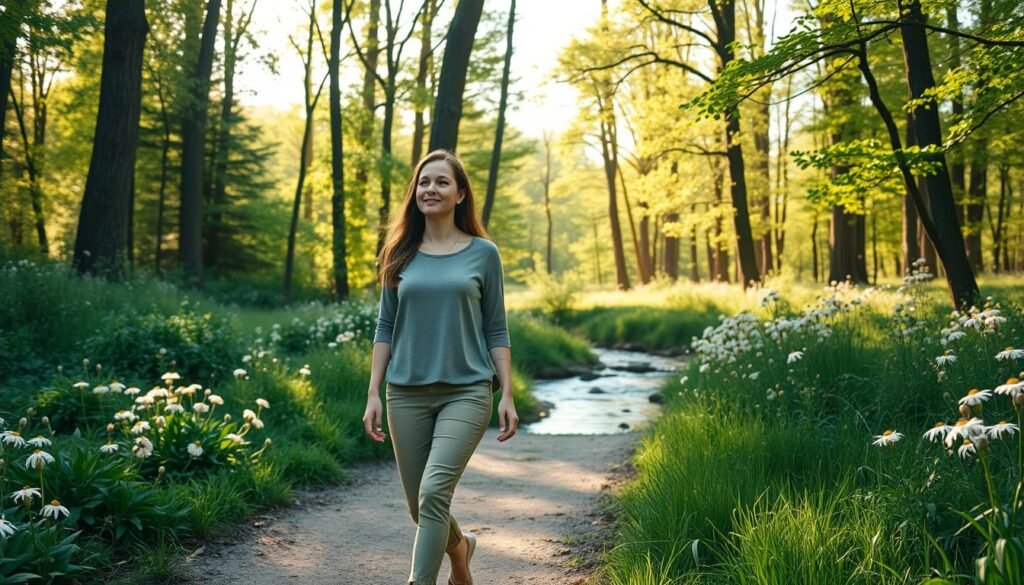
Imagine weaving moments of appreciation into your everyday life. This simple practice can enhance your well-being and mindfulness. To create a sustainable routine, consider scheduling your walks at different times of the day.
The Art of Living suggests three options:
- A morning reset before you check your phone.
- An afternoon stroll to refocus your mind.
- An evening walk to release the day’s stress.
Start with two or three walks per week. Gradually increase the frequency only when it feels manageable. Pairing your walk with 10 minutes of can deepen your practice. This technique promotes stillness and awareness, enhancing your overall experience.
Consider organizing group walks at a local park or community center. This fosters accountability and connection without needing formal training. You can also track your progress by noting the date, duration, route, and one meaningful observation. This habit can make your practice more visible and easier to maintain.
| Time of Day | Purpose | Benefits |
|---|---|---|
| Morning | Reset before distractions | Boosts energy and focus |
| Afternoon | Refocus your mind | Enhances productivity |
| Evening | Release daily stress | Promotes relaxation and sleep |
Conclusion
What if stepping outside could spark a sense of appreciation? A mindful stroll begins with a clear intention, a comfortable route, and a few steady breaths. It invites you to notice what is already present in your life.
Keep the practice simple by naming what you appreciate about your body, surroundings, or relationships. Engaging your senses and journaling can help carry the benefits of this experience into your day.
Remember, consistency matters more than length. Choose a schedule that fits your life, adapting the practice as needed. For further support, explore resources from BetterLifeAtlas to enhance your journey toward calm and intentional living.
FAQ
What is a gratitude walk?
A gratitude walk is a mindful practice where you walk outdoors while focusing on the things you appreciate in your life. It combines physical activity with positive reflection, helping to elevate your mood and reduce stress.
How can I prepare for my gratitude walk?
Start by setting your intention and goals for the walk. Choose a peaceful environment, such as a park or nature trail, where you can connect with your surroundings and reflect on what you are thankful for.
What techniques can I use to stay mindful during my walk?
You can walk with a rhythm of thankfulness, integrating verbal affirmations and moments of reflection. Pairing your walk with breathing exercises can also enhance your mindfulness experience.
How can I deepen my sensory awareness while walking?
Focus on the sights, sounds, and smells around you. Pay attention to the feel of the ground beneath your feet and the breeze on your skin. This sensory engagement can help ground you in the present moment.
How can I incorporate gratitude walks into my daily routine?
Aim to set aside time each day for a short walk. Building this into your schedule can create a sustainable mindfulness practice that enhances your overall well-being.
Are there resources available for further guidance on mindful living?
Yes, you can explore BetterLifeAtlas resources, which offer various tools and techniques for integrating mindfulness and gratitude into your daily life.