
How to Start a Gratitude Practice You Can Actually Maintain
In today’s fast-paced world, it’s easy to overlook the small moments that bring joy. Developing a sustainable way to appreciate these moments can significantly enhance your overall happiness. Imagine starting each day with a simple act that helps you notice the blessings around you. This approach can be both fulfilling and manageable.
The U.S. Department of Veterans Affairs describes gratitude as an attitude and a method. This distinction provides a solid foundation for understanding how to incorporate appreciation into your daily life. You don’t need to commit hours; instead, think of small, repeatable habits that fit seamlessly into your routine.
Research by Sonja Lyubomirsky suggests that no single method suits everyone. Therefore, you can explore various options, such as keeping a journal, writing a letter, or engaging in mindful observation. The key is to find what resonates with you, allowing your appreciation to flourish without added pressure.
Key Takeaways
- Define a sustainable way to notice the meaningful parts of life.
- Understand the difference between gratitude as an attitude and a method.
- Explore flexible options like journaling and mindful observation.
- Adapt your frequency of appreciation to fit your lifestyle.
- Focus on practical consistency and small actions for long-term happiness.
Understanding the Importance of Gratitude
Every day presents opportunities to appreciate the good in our lives. Gratitude isn’t just a fleeting feeling; it’s a powerful tool that can transform your perspective. According to Robert Emmons, gratitude has two key components: affirming the goodness in your life and recognizing the contributions of others. This dual approach helps you to cultivate a deeper sense of appreciation.
The Latin root *gratia* embodies concepts like grace, kindness, and generosity. These qualities remind us that gratitude is not just about feeling good; it’s about acknowledging the beauty of giving and receiving. For instance, you might feel grateful for a repaired appliance, a supportive neighbor, or even a breathtaking natural scene. Each moment holds potential for appreciation.
Moreover, gratitude is linked to positive feelings and resilience. The U.S. Department of Veterans Affairs highlights its role in buffering against negative emotions and fostering social connections. While it’s not a substitute for professional help, it can enhance your overall well-being, including your physical health and sleep quality.
Benefits of a Gratitude Practice
Each day offers a fresh chance to recognize the positives around us. Research shows that appreciation can significantly enhance your happiness and overall well-being. The U.S. Department of Veterans Affairs highlights that embracing gratitude can lead to increased hope, energy, and motivation.
Here are some key benefits of cultivating appreciation:
- Improved Relationships: Gratitude fosters social connections, encouraging cooperation and kindness among people.
- Better Physical Health: Studies indicate that those who practice appreciation often report fewer physical symptoms and better overall health.
- Enhanced Resilience: Recognizing the good can help you bounce back from stressful experiences more effectively.
- Boosted Mood: Engaging in exercises like writing down three good things daily can elevate your happiness and reduce feelings of depression for up to six months.
While appreciation can complement your mental health journey, it should not replace professional treatment when needed. Embracing these benefits can transform your life and help you feel less isolated.
Essential Steps to Build Your Gratitude Practice
Small acts of recognition can greatly enhance your overall happiness. To start, choose one simple action that resonates with you. This could be naming three positive things at the end of the day, writing a heartfelt letter to someone, or taking a moment to pause during your daily routine.
Research by Lyubomirsky suggests that practicing once a week is often the most effective way to boost happiness. However, some people thrive on daily exercises, while others may prefer three times a week or even twice a month. The key is to find a rhythm that works for you.
Consider attaching your gratitude practice to an existing cue. This could be during dinner, when your morning alarm goes off, or even during your commute. The U.S. Department of Veterans Affairs recommends these cues to help you stop and reflect.
Start with just five minutes or less to keep it manageable, especially during busy times. Variety is also essential; mix things up by switching between journaling, conversation, art, and meditation. This way, your routine remains fresh and meaningful.
| Practice Frequency | Recommended Actions | Potential Benefits |
|---|---|---|
| Daily | Name three things | Immediate mood boost |
| Three times a week | Write a letter | Strengthened relationships |
| Weekly | Art or meditation | Enhanced mindfulness |
Identifying Your Ideal Gratitude Routine
Finding the right rhythm for appreciating life’s moments can be a game-changer. You have the flexibility to choose between daily and weekly routines, each offering unique benefits. Daily reflection might suit you if you enjoy quick, consistent reminders of the good things in life. On the other hand, weekly journaling can provide a deeper, more reflective experience.
Here’s a comparison of different routines:
| Routine Type | Advantages | Challenges |
|---|---|---|
| Daily | Quick mood boosts | Can feel repetitive |
| Two Times a Week | Balanced approach | Requires consistency |
| Weekly | Deeper reflection | Less frequent reminders |
| Occasional Triggers | Spontaneous joy | May lack structure |
Personalizing your approach is crucial. Consider your energy levels, schedule, and emotional needs. You might find that a short conversation with a friend about what you feel grateful for is more fulfilling than writing in a journal. Review your routine every few weeks. If it starts to feel mechanical, it might be time to adjust your frequency or method.
How to Start a Gratitude Journal
Starting a journal can be a transformative step towards recognizing the good in your life. This simple act allows you to capture moments of appreciation and reflect on their significance. To make this process effective, consider the following techniques and prompts.
First, choose a format that suits you. Whether it’s a traditional notebook, a notes app, or a gratitude jar, find what feels easy to use consistently. Aim to write up to five specific items each time. For example, note how a coworker brought you soup on a tough day instead of saying, “I’m grateful for everything.”
Use prompts to deepen your reflections. Ask yourself:
- What happened today that made me feel grateful?
- Who contributed to this positive experience?
- How did this affect my day?
- What would my life look like without this blessing?
Consider employing the “three good things” method. Record three positive events and why they occurred. This technique has been linked to greater happiness and reduced feelings of depression for up to six months.
Remember, depth is more important than breadth. Focus on personal connections rather than material possessions. Writing once or twice a week may be more sustainable than daily entries. This approach will help you keep gratitude alive in your life.
| Frequency | Action | Benefits |
|---|---|---|
| Weekly | Write a gratitude letter | Increased happiness |
| Twice a week | List three good things | Enhanced mood |
| Monthly | Review journal entries | Deeper reflection |
Creative Ways to Express Gratitude to Others
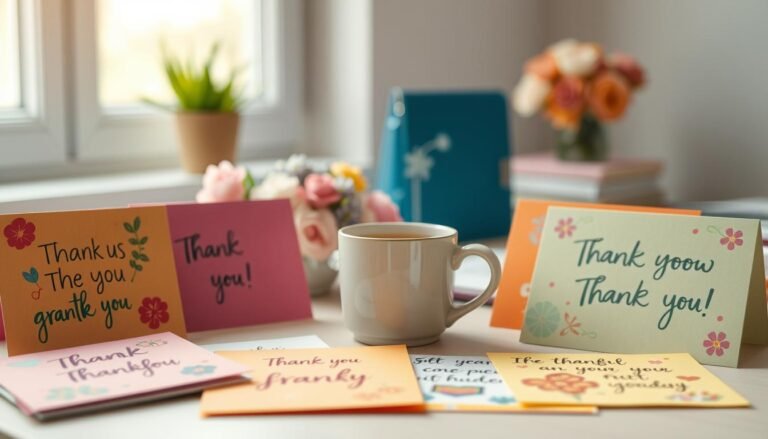
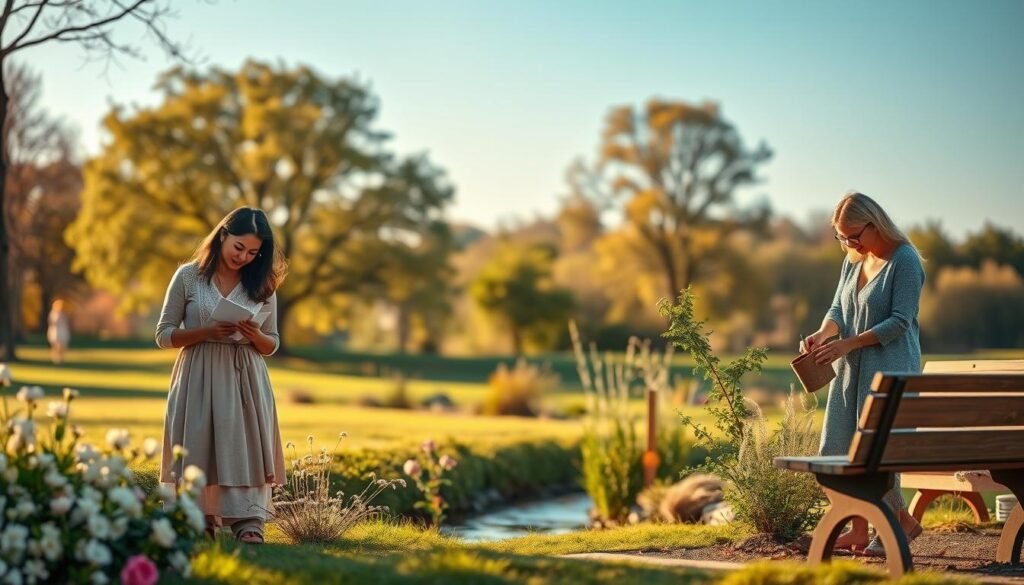
Expressing thanks to others can significantly enhance your relationships and boost your mood. One effective method is writing gratitude letters. This simple act can leave a lasting impact on both you and the recipient. Research by Seligman and colleagues shows that delivering a gratitude letter can lead to immediate increases in happiness and decreases in feelings of depression.
To get started, choose someone meaningful in your life. This could be a parent, teacher, friend, or even a neighbor. Think about what they did that positively affected you. Then, follow this four-part letter structure:
- Describe what the person did.
- Explain how it affected your life.
- Share why you still remember it.
- Express what you appreciate about them today.
For those who may have complicated relationships, consider alternatives like unsent letters, private reflections, or even a simple phone call. While a face-to-face visit can be powerful, writing alone can still create a meaningful emotional shift.
For more insights, check out the Greater Good Science Center’s gratitude-visit research. This study highlights the lasting benefits of expressing appreciation.
| Method | Benefits | Considerations |
|---|---|---|
| Gratitude Letter | Boosts happiness | Requires delivery |
| Face-to-Face Visit | Immediate connection | May be challenging |
| Unsent Letter | Personal reflection | No need for delivery |

Incorporating Mindfulness and Gratitude in Daily Life
Taking time to acknowledge the good things in life can transform our daily experiences. Mindfulness can enhance your awareness of these moments. By practicing mindfulness, you train your mind to focus on the present, making it easier to express gratitude.
Start with a simple exercise: take one minute to breathe deeply. Lower your shoulders and notice the present moment. After this, name one thing you appreciate. This could be the warmth of sunlight or the sound of a friend’s laughter.
As you continue, guide your attention through your senses. Notice the scents around you, the sounds you hear, and the textures you touch. Consider practicing gratitude during meals by appreciating the flavors and the effort that went into preparing your food.
Mindful gratitude helps you recognize the beauty in ordinary experiences. Whether it’s a loved one’s voice or the comfort of your favorite sweater, these moments contribute to your happiness. For a broader present-moment routine, check out this related BetterLifeAtlas mindfulness practice article.
Remember, practicing gratitude is about attention training. It’s not about ignoring genuine emotions like grief or stress; it’s about finding balance and appreciation in your life.
Utilizing Visual Reminders and Practical Prompts
Incorporating simple visual cues into your daily life can significantly enhance your ability to appreciate the good around you. By using everyday items, you can create reminders that prompt reflection and gratitude.
Consider these effective tools:
- Phone Alarms: Set an alarm on your phone to remind you to pause and think of something positive.
- Sticky Notes: Write a blessing on a sticky note and place it where you’ll see it daily, like your coffee maker.
- Gratitude Jar: Write down one good thing each day and place it in a jar. Review your collection at the end of the month.
- Bracelets or Photos: Wear a bracelet or keep a photo that symbolizes appreciation, serving as a physical reminder.
Using the U.S. Department of Veterans Affairs’ suggestions, you can link gratitude to existing routines. For example, reflect on a positive moment during meals or your daily commute. Pair these reminders with specific actions, like naming one person you appreciate or sending a thank-you message.
Lastly, remember to rotate your cues. Familiar reminders can fade into the background, losing their effectiveness. By refreshing them regularly, you can keep your appreciation vibrant and meaningful.
Scientific Evidence Supporting a Gratitude Practice
Numerous studies highlight the profound effects of gratitude on our mental health. Research shows that recognizing the good in life can lead to lasting happiness and improved well-being. According to Robert Emmons, a leading gratitude researcher, expressing appreciation can strengthen social connections and enhance emotional regulation.
The Greater Good Science Center describes gratitude as “social glue,” linking it to resilience and optimism. Research indicates that people who practice gratitude report better sleep, increased energy, and fewer physical symptoms. However, it’s essential to note that these are associations, not definitive proof that gratitude alone causes these benefits.
One compelling study by Prathik Kini at Indiana University found that gratitude practice may alter brain function in individuals dealing with depression. This suggests that engaging in gratitude exercises can activate neural networks involved in emotion regulation and stress relief.
Incorporating simple actions like weekly journaling or gratitude letters can make a significant difference. By making these practices a part of your routine, you can experience the many benefits that come from appreciating the good things in life.
Conclusion
Recognizing the good in our lives can often feel like a small but significant shift. A maintainable routine can start with just one brief reflection, one journal entry, or one thoughtful letter to a friend. Research shows that choosing a schedule that fits your life is more beneficial than copying someone else’s approach.
Focus on specific people, ordinary experiences, and personal strengths instead of generic lists. If writing or mindfulness begins to feel repetitive, don’t hesitate to change your format. The key is to keep your appreciation fresh and meaningful.
So, why not choose one action today? Repeat it next week and adjust gently as your needs change. Every small step counts toward a more fulfilling life.
FAQ
What is the best way to start a gratitude practice?
Begin by setting aside a few minutes each day to reflect on what you appreciate in your life. You can jot down your thoughts in a journal or simply take a moment to think about them.
How often should I write in my gratitude journal?
You can choose to write daily or weekly, depending on what feels right for you. The key is consistency, so pick a schedule that you can maintain comfortably.
What are some benefits of expressing gratitude?
Expressing appreciation can boost your mood, improve relationships, and enhance overall well-being. It can also lead to better physical health and reduced feelings of depression.
Can I personalize my gratitude routine?
Absolutely! Tailor your practice to fit your lifestyle. Whether you prefer writing letters, journaling, or sharing your thoughts verbally, find what resonates with you.
How can I incorporate mindfulness into my gratitude practice?
You can practice mindfulness by taking a moment to truly focus on your feelings of appreciation. Engage your senses and reflect on the positive aspects of your life in a calm, centered way.
What are some creative ways to express gratitude to others?
Consider writing heartfelt letters, giving small gifts, or even making a visit to share your appreciation in person. These gestures can strengthen your connections with others.
Is there scientific evidence supporting the benefits of gratitude?
Yes, numerous studies have shown that practicing gratitude can lead to improved mental health, enhanced relationships, and overall life satisfaction. Research supports its positive impact on well-being.