
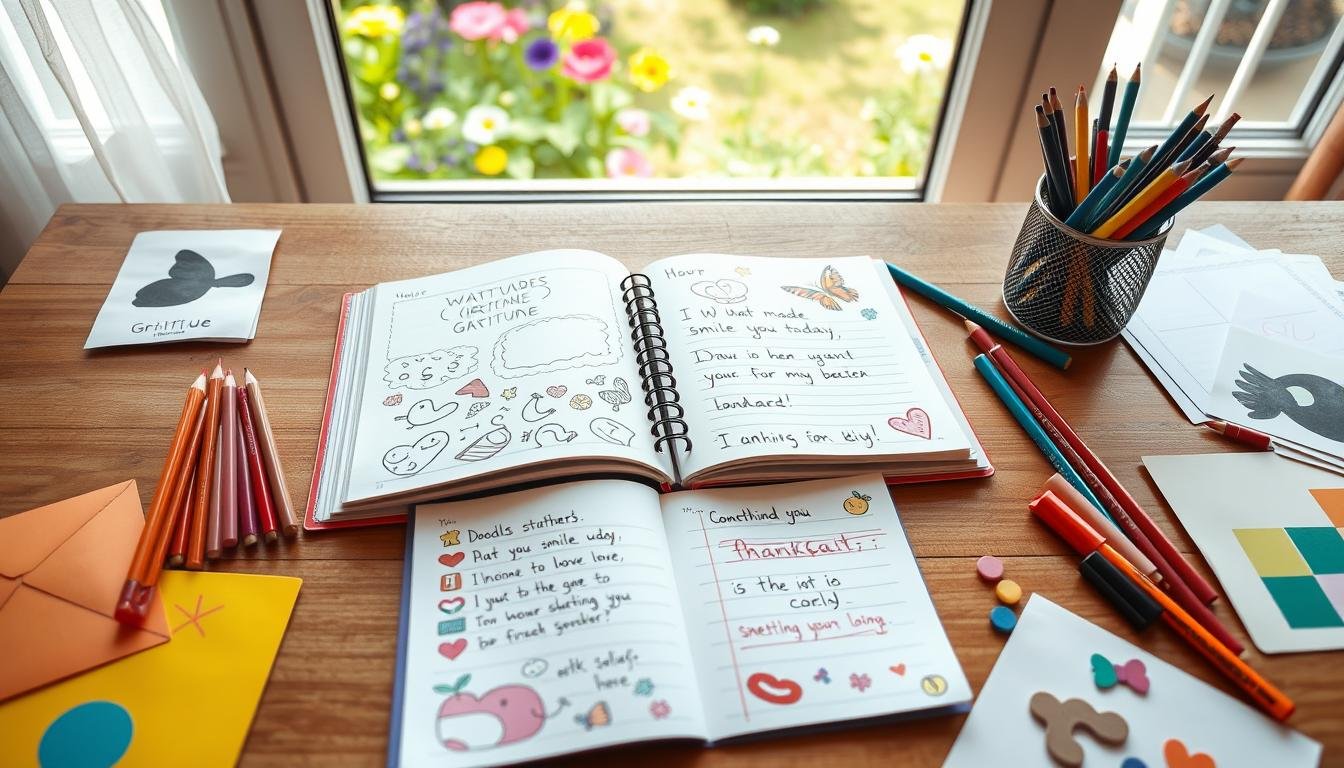
Gratitude Journal for Kids: Simple Prompts to Encourage Thankfulness
Starting a gratitude practice can be a wonderful way for children to express their appreciation. A gratitude journal serves as a flexible space where they can write, draw, or paint about the things they value in their lives. This creative outlet can help kids reflect on their experiences and recognize the positive aspects of their daily routines.
What’s great about this approach is its adaptability. Whether your child is in preschool or middle school, prompts can be tailored to fit their unique abilities. This means that every child can engage with the process in a way that feels comfortable and meaningful to them.
In this article, you will discover practical steps to get started. From selecting supplies to creating personalized pages, you’ll find everything you need to make this experience enjoyable. Remember, you don’t need fancy materials—an empty notebook and some basic colors are enough to begin this journey.
Additionally, there are many creative formats to explore. Kids can make collages, write songs, or draw pictures inspired by their favorite people and places. The possibilities are endless, and the benefits are profound.
Key Takeaways
- A gratitude journal is a flexible tool for kids to express appreciation through various creative methods.
- Prompts can be customized to suit different age groups, making it accessible for all children.
- The article outlines practical steps from understanding the benefits to daily activities.
- No special diary is needed; any notebook and basic supplies will do.
- Creative options include collages, songs, and drawings that inspire reflection on everyday experiences.
Unlocking the Benefits of Gratitude Through Journaling
Exploring the impact of thankfulness can greatly enhance a child’s emotional growth. Research shows that gratitude is linked to happiness, optimism, and stronger relationships. When children practice thankfulness, they often experience lower stress and improved self-awareness.
Using a daily gratitude journal helps kids develop their writing and communication skills. It provides a calm space for them to express difficult emotions. One helpful prompt asks, “What can you do to make today great?” This encourages responsibility and planning.
Books like “Each Kindness” and “Ordinary Mary’s Extraordinary Deed” illustrate how small acts of kindness can have lasting effects. Additionally, concepts from “The Power of Yet” and “Grit” help children view mistakes as learning opportunities rather than failures.
Consider a five-minute routine each day, perhaps after breakfast or before bed. This time allows family members to share one thing they are grateful for, fostering connection without pressure for identical answers. Integrating this habit with mindfulness practices can make gratitude a meaningful part of your family’s daily life.

How to Start a Gratitude Journal for Kids: Tools and Techniques
Engaging children in reflection about what they value can lead to deeper emotional connections. To get started, you don’t need fancy materials. A simple, inexpensive notebook along with some pens, pencils, and colors will do just fine.
For younger children, like a 3-year-old or 5-year-old, you can adapt the process. Write down their spoken thoughts while allowing them to illustrate their feelings. This keeps their creativity intact while helping them express appreciation.
Choosing the Right Notebook and Supplies
Begin with basic supplies:
- Notebook
- Pens and pencils
- Markers and colors
Step-by-Step Guide to Creating Your Journal
Here’s a simple assembly table to guide you:
| Step | Description |
|---|---|
| 1 | Print the free printable double-sided. |
| 2 | Fold in half and staple or trim and staple at the top. |
| 3 | Decorate the cover with your child’s name. |
Ten sheets of paper create 40 days of prompts, as each sheet offers two days per side. This makes planning easy and manageable. You can spend about five minutes preparing and another five minutes each day completing the entries.
Using a long-arm stapler is preferred, but a regular stapler works too. Optional tools like an X-Acto knife and ruler can help for trimming, but they are not essential. Remember, this printable is for personal use only and should not be sold or redistributed. For more resources, check out our free printables.

Creative Prompts and Activities to Cultivate Thankfulness
Using fun prompts can spark joy and gratitude in children’s lives. Engaging activities can help them explore their feelings and appreciate what they have. Here are some creative ideas to get started.
Fun Writing Prompts for Every Day
Encourage kids to express their thoughts with these engaging prompts:
- People I Am Grateful For: List 10 people, including family and friends.
- My Gratitude List: Include favorite places, foods, and games.
- The ABCs of Gratitude: Find something to be thankful for starting with each letter.
Printables and DIY Craft Ideas
Consider using a printable gratitude journal with 26 pages, including:
- 30 prompts
- 10 journal pages
- 9 dinner-table card pages
These pages can inspire daily reflections and family discussions.
Alternative Gratitude Practices: Trees, Jars, and Scavenger Hunts
Try these creative projects:
- Gratitude Tree: Create a tree with leaves that list things they are thankful for.
- Morning Gratitude Jar: Write down things they appreciate each morning.
- Gratitude Scavenger Hunt: Find 20 items around the house that spark joy.
Incorporating Family Discussions and Reflections
During family meals, share three new grateful thoughts daily. This practice can deepen connections and create a supportive environment.
Conclusion
Encouraging children to reflect on what they appreciate can lead to meaningful experiences. A gratitude journal provides a simple and flexible way for them to notice people, abilities, and the little things that enrich their lives.
Spending just five minutes each day helps children build a manageable routine without pressure. Families can choose from various activities, such as using a notebook, a printable, or even a gratitude tree.
At the end of each year, reviewing their entries can reveal how their understanding of appreciation evolves. Start with one prompt tonight, listen openly, and allow this practice to grow naturally within your family.
FAQ
What age is appropriate for starting a gratitude journal?
Children as young as five can begin to engage with gratitude journaling. Tailor the prompts to their understanding and abilities.
How often should my child write in their journal?
Aim for daily entries, but it’s okay to start with a few times a week. Consistency helps build the habit.
What types of prompts can I use?
Use simple prompts like “What made you smile today?” or “Who are you thankful for?” to encourage reflection.
Can journaling really help with my child’s emotional well-being?
Yes! Regularly expressing gratitude can enhance emotional resilience and promote a positive mindset.
Are there printable resources available for gratitude journaling?
Absolutely! Many websites offer free printables that can make journaling fun and engaging for your child.
How can I encourage my child to stick with it?
Make it a family activity! Share your own gratitude reflections and celebrate their entries to foster enthusiasm.
What if my child struggles to think of things to write?
Offer support by brainstorming together or using visual aids like pictures to spark their creativity.