
Gratitude for Family: Meaningful Ways to Appreciate the People You Love
In our busy lives, it’s easy to overlook the support and love we receive from those closest to us. Recognizing the goodness around us can create a sense of warmth and belonging. As Princess Diana said, “Family is the most important thing in the world.” This sentiment resonates deeply, reminding us that family can take many forms—relatives, friends, or even pets.
Focusing on the positive aspects of our lives helps combat feelings of anxiety and emptiness. Research shows that acknowledging the small blessings can lead to greater happiness and stronger relationships. By intentionally noticing the care and effort within our loved ones, we can cultivate a more grateful mindset.
This article will guide you through practical ways to build daily habits of appreciation. You’ll discover how to involve children, strengthen bonds, and serve others, all while embracing the love that enriches our lives.
Key Takeaways
- Gratitude for family means recognizing support and love in various family structures.
- Emphasizing positivity can reduce feelings of anxiety and emptiness.
- Building habits of appreciation strengthens relationships.
- Family can include relatives, friends, and pets.
- Practicing gratitude can lead to greater happiness.
Understanding Gratitude for Family
While we navigate our busy days, we may forget to appreciate the kindness from those we cherish. Practicing gratitude can significantly enhance your life. Research shows that acknowledging what we have leads to individual well-being and stronger relationships. When you express appreciation, it builds resilience, especially during tough times.
Michael J. Fox wisely said, “Family is not an important thing. It’s everything.” This perspective frames gratitude as a vital practice for nurturing connections rather than a mere exercise in positive thinking. Children benefit immensely when parents model appreciation. Kids learn best through observed behavior rather than abstract discussions.
Gratitude encompasses more than just people; it includes experiences, safety, and even nature. It’s about recognizing the goodness in everyday life. Remember, it’s not about being cheerful all the time. Family members can acknowledge challenges while still finding one meaningful source of support.
For more insights on how gratitude can improve your happiness, check out on this topic.
Daily Family Practices to Cultivate Gratitude
In our fast-paced lives, we might neglect to recognize the everyday kindnesses from those we care about. Integrating simple gratitude practices into your daily routine can foster a deeper appreciation among family members. Here are some engaging ways to do just that.
Daily Gratitude Sharing Ideas
Consider setting aside a moment each day to share what you’re thankful for. This can happen during dinner, on the way to school, or at bedtime. Allow each person to name a specific experience or individual they appreciate. This routine helps everyone reflect on positive moments.
Using Gratitude Journals and Notes Effectively
A family gratitude journal can be a fun way to document shared experiences. One designated member can record what everyone expresses aloud. You can use inexpensive $1 composition books to make it accessible. Adults might also jot down three things they are grateful for each morning before other journaling.
| Method | Time Required | Effort Level | Ideal Users |
|---|---|---|---|
| Spoken Sharing | 5 minutes | Low | All ages |
| Individual Journaling | 10 minutes | Medium | Adults |
| Shared Journal | 15 minutes | Medium | Families |
| Gratitude Notes | 5 minutes | Low | Kids |
| Text Messages | 2 minutes | Very Low | Friends |
Remember, it’s essential to avoid forcing reluctant writers into these practices. When gratitude feels like a chore, it loses its value. Instead, find methods that resonate with each person, making gratitude a natural part of your lives.

Creative Strategies for Practicing Gratitude with Children
Amidst our hectic schedules, we often miss the little acts of kindness from those we love. To help children appreciate these moments, you can introduce fun and interactive activities. These strategies can transform daily routines into meaningful experiences of appreciation.
Engaging Thank-You Card and Mirror Affirmation Practices
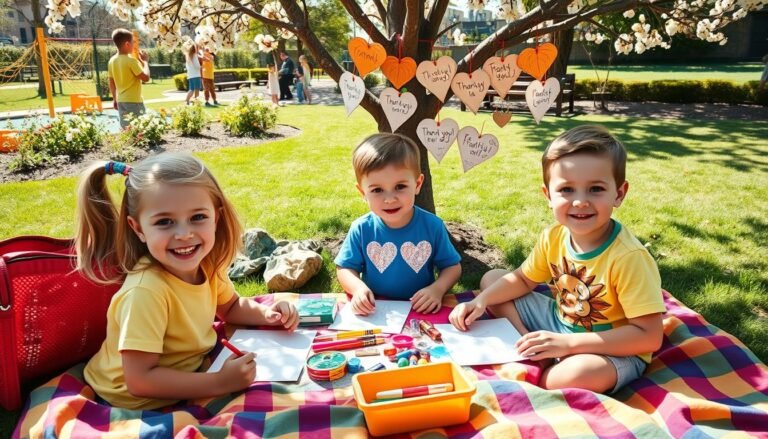
Encourage kids to create thank-you cards for their teachers, bus drivers, or friends. Keep blank cards and crayons handy at home. This way, children can express their appreciation immediately. Additionally, the mirror affirmation practice takes just thirty seconds. Each child can say something like, “I was kind to my sister today.” This helps them recognize their positive actions.
Fun and Interactive Gratitude Games
Consider a weekly “mental-photo walk.” Children can pretend their hands are cameras, saying “Click” for each object that reminds them of a loved one. Another idea is the Thanksgiving “Warm Fuzzies,” where everyone writes notes of appreciation for each guest. Each note takes about a minute to write, making it a quick yet meaningful activity.
| Activity | Time Required | Ideal Age Group |
|---|---|---|
| Mental-Photo Walk | 15 minutes | All ages |
| Thank-You Cards | 5 minutes | Kids |
| Mirror Affirmations | 30 seconds | All ages |
| Warm Fuzzies | 1 minute per note | Families |
| I Spy with My Grateful Eye | 10 minutes | Kids |
These activities help children see the goodness in their lives and strengthen their connection with family members. By making gratitude a part of daily life, you create a grateful family atmosphere that fosters appreciation and joy.
Engaging Family Activities to Strengthen Bonds
In the hustle of daily life, we often forget to celebrate the little joys our loved ones bring. Engaging in simple activities can help you appreciate these moments and strengthen your relationships. Here are some fun ways to create lasting memories.
Setting Up a Gratitude Jar or Visual Board
Start a gratitude jar at Thanksgiving and continue until New Year’s Eve. Place a decorated jar, colorful paper strips, and pens in a shared area. Invite each person to write one note daily. You can use different paper colors for each member, making it easy for kids to see their contributions grow.
Reading these notes at the end of the month or during challenging weeks can help everyone reconnect with meaningful moments. This simple practice fosters appreciation and reminds family members of the positive things in their lives.
Innovative Dinner Table and Outdoor Gratitude Traditions
Pair dinner with a rotating prompt about a helpful person or a comforting memory. This encourages everyone to share and reflect. You can also take gratitude outdoors. Ask each person to notice elements of nature, like sunlight or a unique leaf. This activity can be done in any season, whether in your backyard or a nearby park.
Encourage family members to collect one nature item responsibly as a reminder of shared appreciation. These activities not only promote gratitude but also create cherished moments together.
Practical Approaches to Modeling Gratitude in the Home
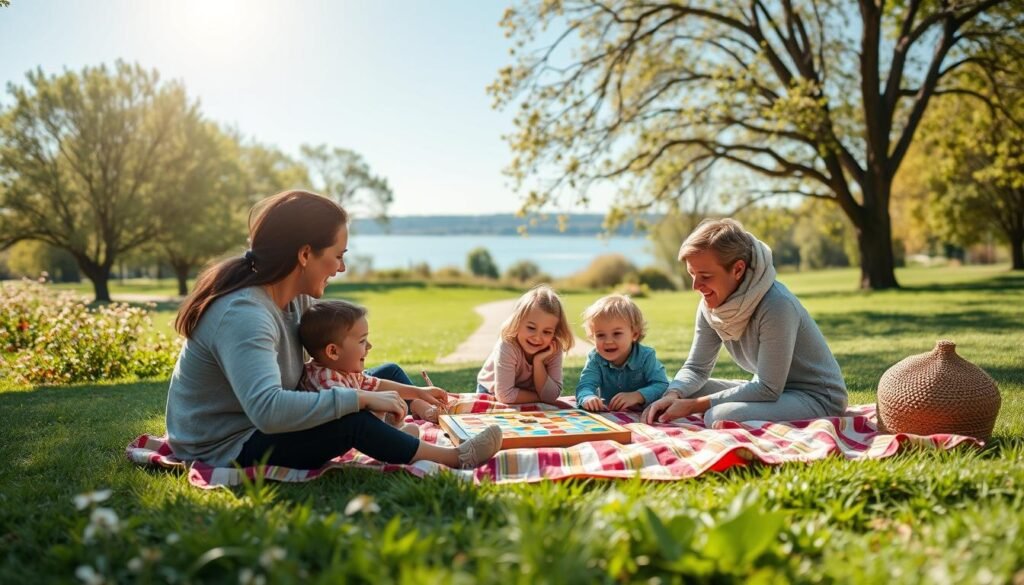
In the whirlwind of our daily routines, we often forget to express appreciation for the little things that matter. As parents and caregivers, you have the unique opportunity to model appreciation through simple, everyday actions. By weaving gratitude into your interactions, you can inspire your children to recognize and value kindness.
One effective way to do this is by thanking grocery cashiers, mail carriers, and crossing guards aloud. This shows children how appreciation can be part of ordinary errands. You might also consider choosing a small service action, like collecting food or winter coats, and completing it together. This shared experience fosters a sense of community and generosity.
According to Natalie Silverstein, identifying helpful actions that fit naturally into your home routines can be a game-changer. Discuss how helping others can increase compassion and appreciation for what you already have. Invite your children to notice and thank one community helper during your next outing.
Remember, as Mother Teresa said, “What can you do to promote world peace? Go home and love your family.” Appreciation begins with consistent behavior, not just occasional speeches. By leading by example, you can create a nurturing environment that values kindness and service.
Conclusion
Recognizing the love and support from those around you becomes meaningful when you focus on real moments and connections. It’s not about trying every activity at once; one consistent practice can make a significant difference. Start with what feels right for your household, whether it’s a quick mirror affirmation or a shared note.
Remember, appreciation can coexist with life’s challenges. It’s perfectly okay to have honest conversations about tough times while still finding joy in the little things. As Earl Nightingale wisely said, “Time spent with family is time well spent.” Embrace those ordinary moments and let them enrich your life.
Here are some frequently asked questions to help you explore this topic further:
- What does family appreciation mean?
- What activities can I do with my children to promote appreciation?
- How do I start a gratitude jar?
- Is journaling necessary for expressing appreciation?
- How can I model appreciation in my home?
FAQ
What are some simple ways to express appreciation in daily life?
You can express appreciation by sharing compliments, writing notes, or simply saying thank you. Making it a daily habit can strengthen your relationships.
How can I involve my children in gratitude practices?
Involve your children by creating fun activities like gratitude jars, where they can add notes about what they are thankful for, or engaging in interactive games that promote appreciation.
What are the benefits of practicing gratitude regularly?
Practicing gratitude can improve your mental health, strengthen relationships, and enhance overall well-being. It helps shift focus from negativity to positivity.
How can I model gratitude for my children?
You can model gratitude by expressing appreciation for everyday things, showing kindness to others, and discussing the importance of generosity and support within your family.
Are there specific activities that can help build a grateful family culture?
Yes! Activities like family dinners where everyone shares something they are grateful for, or setting up a visual gratitude board can foster a culture of appreciation.
How can I encourage my family to practice gratitude together?
Encourage family members to share their gratitude during meals, set aside time for reflection, or participate in community service together, reinforcing the value of appreciation.