
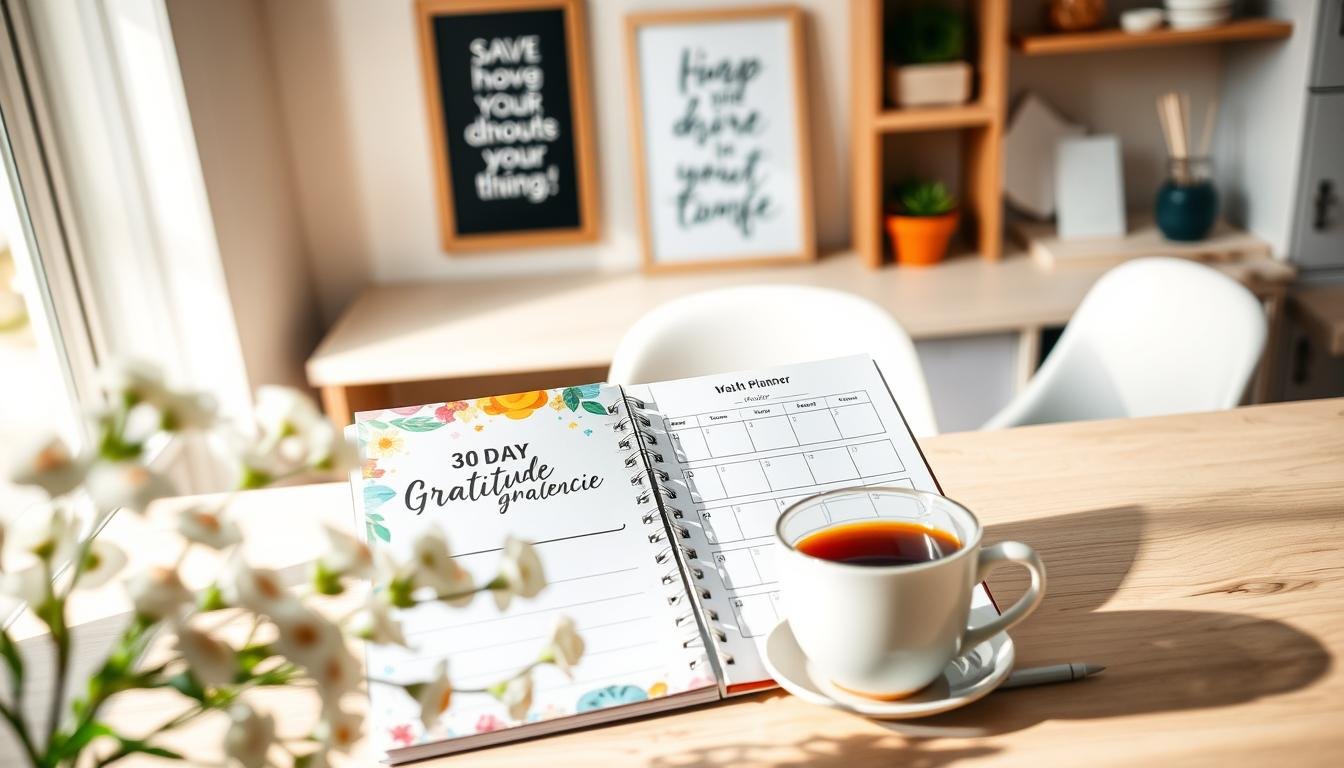
30-Day Gratitude Challenge to Build a More Positive Daily Mindset
Starting a 30-day gratitude challenge can be a simple yet powerful way to enhance your daily mindset. This practice invites you to focus on the positive aspects of your life, making it easier to appreciate the little things. You don’t need to overhaul your entire routine; instead, you can commit to a short daily exercise that fits into your existing schedule.
Affiliate disclosure: This article may contain affiliate links. If you make a purchase through one of these links, Better Life Atlas may earn a commission at no additional cost to you.
Research by Robert Emmons shows that meaningful benefits can arise from gratitude journaling within just one to three weeks. This makes it a realistic goal for anyone looking to cultivate a more positive outlook. One effective method is Shawn Achor’s “Three Things And Why,” which allows you to jot down three different things each day and explain why they matter to you.
Gratitude can stem from the simplest details, like enjoying a warm cup of coffee or a cozy pair of pants. Best of all, this practice takes less than 10 minutes each day, and you can start today, regardless of the date. Remember, this is about appreciating small moments rather than striving for perfection in your writing.
Key Takeaways
- Engage in a 30-day practice that focuses on positive details without major lifestyle changes.
- Notice improvements in your mindset after just one to three weeks of journaling.
- Utilize the “Three Things And Why” method for easy daily reflections.
- Recognize that gratitude can come from ordinary experiences.
- Spend less than 10 minutes each day on this exercise.
- Start today, no matter when you begin your month.
Introduction to the 30-Day Gratitude Challenge
Engaging in a daily practice of gratitude over the next month can bring about remarkable changes. Focusing on positive details helps shift your attention from what you lack to what you have. This shift can be incredibly empowering.
Research by Robert Emmons shows that just one to three weeks of gratitude journaling can reveal valuable insights about your mood and wellbeing. You might think it’s a small effort, but the impact can be profound.
Shawn Achor emphasizes that writing down three things each day and why they matter can train your mind to notice positive experiences more readily. This simple practice takes less than 10 minutes, creating an opportunity to pause and reflect.
Consider this: What already brings you joy or comfort? Especially during stressful times, recognizing these aspects can be a game-changer. For more strategies on building a positive mindset, check out this BetterLifeAtlas article.
Discovering the Benefits of Daily Gratitude
- Train your attention to focus on what is present.
- Observe changes in mood within just a few weeks.
- Identify sources of support in your life.
- Recognize the people who contribute to your happiness.
- Experience a sense of joy in everyday moments.
How a Simple Daily Practice Can Transform Your Mindset
Implementing this small practice can lead to significant shifts in how you perceive your world. By acknowledging the good, you create a pathway for joy and fulfillment.
Understanding the Power of Gratitude
Practicing appreciation can significantly impact your overall well-being. Research highlights various benefits associated with regularly reflecting on the positive aspects of your life. These benefits can be categorized into three main areas: physical, psychological, and social.
Physical benefits include improved immunity, lower blood pressure, and better sleep quality. While gratitude won’t cure illnesses, it can enhance your body’s natural defenses. This improvement can lead to a healthier lifestyle over time.
On a psychological level, gratitude fosters greater optimism and enhances your mood. Many people report feeling increased joy and happiness when they focus on what they appreciate. This shift in perspective can transform your daily experiences.
Socially, gratitude can deepen connections with others. It promotes compassion and reduces feelings of loneliness. When you acknowledge the support from those around you, you nurture positive relationships.
Remember, practicing gratitude involves intentionality. It helps you notice your emotions and meaningful moments rather than getting lost in stress. As you embark on this journey, pay attention to your mood and sense of connection. You might discover a more fulfilling way to engage with the world.

Setting Up Your Gratitude Journal
Establishing a dedicated space for your reflections can enhance your daily gratitude practice. Choosing the right tools makes it easier to maintain consistency. You can start with a working pen and a separate notebook, ensuring your journal has a dedicated place for reflection.
A new book is optional. Any notebook can support your practice, as long as it’s easily accessible when you feel inspired to write. If you prefer convenience, using a phone note or computer can also be effective.
To begin, prepare one page with the date, three things you appreciate, and a brief explanation of why each item matters. Starting at the beginning of the month can help you remember, but today is just as good if waiting would delay your practice.
Choose tools that reduce friction. Avoid spending too much time searching for the perfect journal or elaborate writing system. The simpler, the better!
| Tool | Pros | Cons |
|---|---|---|
| Notebook | Dedicated space for reflections | Can be bulky to carry |
| Pen | Easy to use | Can run out of ink |
| Phone Note | Portable and accessible | Can be distracting |
| Computer | Easy to organize | Less personal than writing by hand |
Daily Prompts to Spark Your Gratitude
Taking a moment each day to appreciate the small things can enrich your life. One effective method is the “three things and why” approach. This technique encourages you to list three different items daily, pushing you to explore beyond familiar choices.
By writing three unique entries for 31 days, you’ll have a collection of 93 things to look back on. This record serves as a visible reminder of what you appreciate. Here are some prompts to inspire your reflections:
- What is your favorite smell, and why does it evoke positive emotions?
- Recall a song that brings back joyful memories.
- Think of a meal that made you feel comforted.
- Identify a personality trait you admire in yourself or others.
- Reflect on a kind action from someone that made your day brighter.
Be specific in your answers. Instead of saying “I’m grateful for my cat,” describe the soft fur, white paws, and morning purrs that bring you joy. Remember, your entries don’t need to fill pages; a few honest words about why something matters can be enough.
Consider adding prompts about overcoming obstacles, gifts received, or childhood traditions. At the end of the month, review your entries and note which ones still bring warmth or calm. This practice not only deepens your appreciation but also enhances your overall well-being.

Incorporating the Gratitude Challenge into Your Routine
Integrating a gratitude practice into your daily routine can be a game-changer. Establishing a consistent time and place for journaling makes it easier to maintain this habit. Consider setting aside a few minutes after breakfast or just before bed. This connection to existing activities helps reinforce your commitment.
Keep your journal and pen in a visible spot. When you see them, it will remind you to take those less-than-10-minute moments to reflect. You want this practice to feel easy, not like another task on your to-do list.
Using a calendar or phone reminder can also help track your progress. This way, you won’t feel stressed about missing a day. If that happens, simply pick up where you left off. Flexibility is key; it’s more beneficial than striving for perfection.
As you write, focus on three things you appreciate and why. If life gets busy, don’t hesitate to shorten your entries. You can also invite a friend to join you. Sharing experiences can make the practice more enjoyable and supportive.
Enhancing Your Gratitude Practice Beyond Journaling
There are many ways to deepen your appreciation beyond just writing in a journal. Exploring creative exercises can bring a fresh perspective to your daily practice. These activities can help you connect with your emotions and the people around you.
One fun exercise is to take a photo each day of something you appreciate. This five-day challenge transforms gratitude into a visual record of ordinary moments. It encourages you to notice the beauty in your surroundings.
Another idea is to practice direct thanks. Make eye contact with cashiers, baristas, and others when acknowledging their kindness. This simple act can strengthen your connections and brighten someone’s day.
Consider placing gratitude “stop signs” in your routine. These visual reminders prompt you to pause, notice your surroundings, and name one appreciated detail. You can also write a living eulogy for a loved one, celebrating your relationship while they can still receive it.
Finally, share your appreciation through a private message or social post. Use hashtags like #AugustGratitudeChallenge and tag accounts like @starsandcarrots and @annalivdesign for inspiration. This can foster a sense of community and accountability.
Gratitude Challenge: Real-Life Stories and Practical Examples
Real-life experiences can illuminate the profound impact of appreciation on our daily lives. Many individuals from the BetterLifeAtlas community have shared inspiring stories about how recognizing the good in their lives has transformed their relationships and overall well-being.
For instance, one member recounted a moment when a simple, supportive conversation with a friend lifted their spirits during a tough time. This small act of kindness not only strengthened their bond but also highlighted the importance of acknowledging those who support us.
Another story involved a stranger’s helpful gesture that changed someone’s day. By reflecting on these positive interactions, individuals can foster greater compassion and reduce feelings of isolation, as noted by Robert Emmons.
One practical exercise is writing a living eulogy for a loved one. This allows you to express appreciation while they can still receive it, reinforcing the value of your relationship.
Consider sharing selected entries from your gratitude journal with friends or family. This can deepen connections while keeping personal reflections private if desired. Remember, a gratitude journal can help you look back on challenging periods and recognize sources of support you might otherwise overlook.
For more guidance on improving relationships, check out this BetterLifeAtlas article. You can also explore the free five-day Gratitude Challenge course and community for additional support.
| Story Type | Example | Impact |
|---|---|---|
| Supportive Conversation | A friend lifts your spirits | Strengthens bonds |
| Helpful Stranger | Someone assists you unexpectedly | Changes your day |
| Living Eulogy | Expressing appreciation to a loved one | Reinforces relationships |
Conclusion
Embracing a simple daily practice can create lasting changes in your mindset. Start your journey by identifying three specific things each day and briefly explaining why they matter. This approach, inspired by Shawn Achor, takes less than ten minutes.
Research by Robert Emmons shows that within just one to three weeks, you may notice physical, psychological, and social changes. Choose a notebook, a phone note, or your computer today and write your first entry. Don’t wait for the perfect day or mood.
After the initial 30 days, continue this rewarding practice. Revisit prompts, capture photos of appreciated moments, or express thanks directly to those who matter. As you review your entries, notice how your mood and relationships evolve. Explore related BetterLifeAtlas articles to discover more about building lasting habits and enhancing your well-being.
Related Guides
- How to Start a Gratitude Practice You Can Maintain
- Gratitude Exercises for a Daily Routine
- Gratitude Journal Examples for Daily Practice
FAQ
What is a gratitude journal?
A gratitude journal is a personal space where you can regularly write down things you appreciate in your life. This practice helps cultivate a positive mindset and encourages reflection on the good aspects of your daily experiences.
How do I start a gratitude practice?
To start, choose a time each day to write in your journal. You can begin by listing three things you are thankful for. Over time, try to expand on your entries by reflecting on why you appreciate those things.
Can I do this challenge alone?
Absolutely! While sharing your experiences with others can enhance the journey, many people find personal growth and joy through solo reflection. It’s all about what feels right for you.
How long should I spend on my gratitude practice each day?
You can dedicate as little as five minutes or as long as thirty minutes, depending on your schedule. The key is consistency, so find a duration that works for you and stick with it.
What if I struggle to find things to be grateful for?
It’s normal to have days when it’s hard to feel grateful. On those days, focus on small things, like a warm cup of coffee or a friendly smile. You can also use prompts to help guide your thoughts.
How does gratitude impact my overall well-being?
Practicing gratitude can improve your mental health, reduce stress, and enhance your relationships. It shifts your focus from what’s lacking to what you have, fostering a sense of contentment and joy.
Can I include others in my gratitude practice?
Yes! Sharing your gratitude with friends or family can deepen your connections. You might even start a group where everyone shares what they’re thankful for, creating a supportive environment.
What are some creative ways to express gratitude?
Beyond journaling, you can express gratitude through letters, art, or even verbal acknowledgments. Try sending a thank-you note or creating a gratitude jar filled with notes of appreciation.