
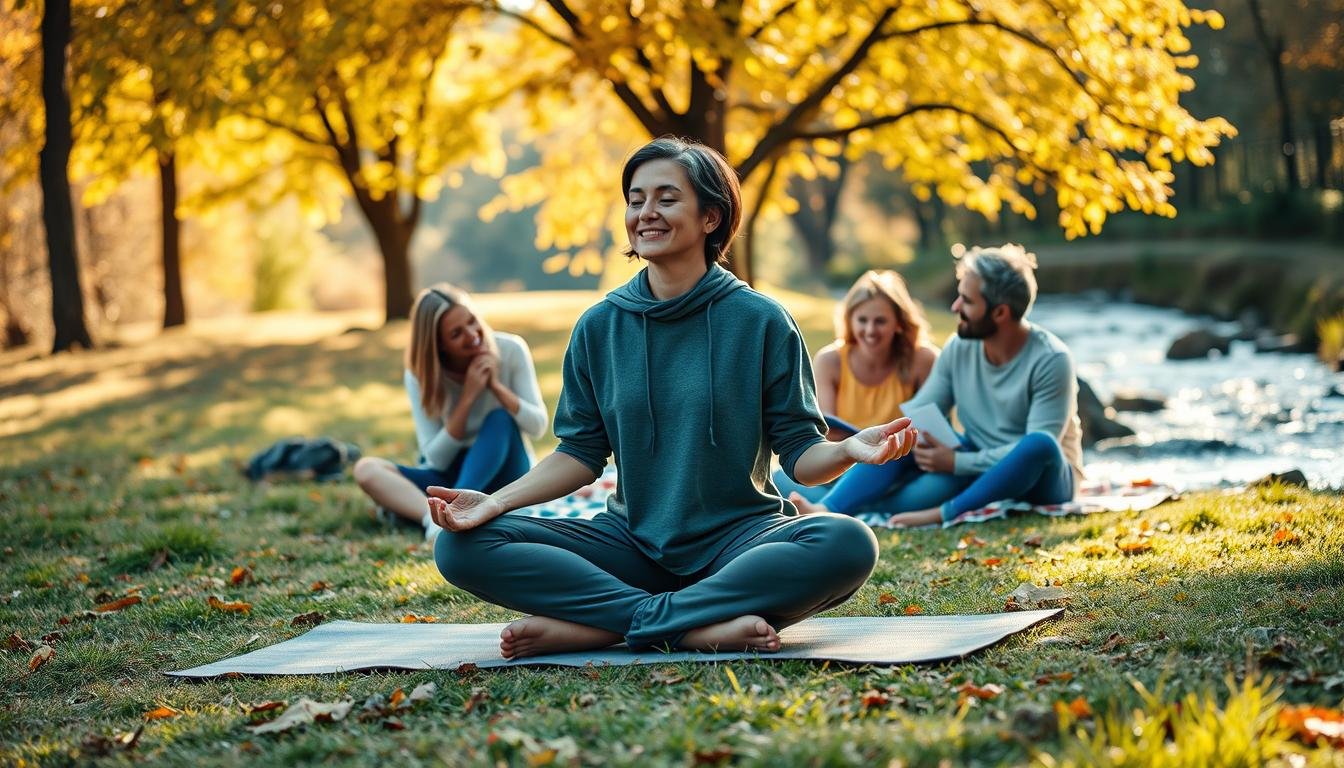
How to Develop an Attitude of Gratitude in Everyday Life
In today’s fast-paced world, it can be tough to notice the positive elements in life. Stressful times often cloud our vision, making it hard to see the blessings around us. Yet, small moments can create a profound sense of comfort.
Consider a friend who took the time to clean someone’s house during a period of grief. This act of kindness serves as a powerful reminder of how support can foster appreciation. Even a simple compliment from a stranger while waiting for coffee can brighten an otherwise ordinary day.
Gratitude isn’t just for special occasions. It can become a practical way to approach each day. Throughout this guide, you will discover actionable tools such as journaling, meditation, and mindful conversations to help you cultivate this essential mindset.
Key Takeaways
- Stressful seasons can obscure positive elements in life.
- Acts of kindness, like helping a friend, remind us to appreciate support.
- Everyday interactions can bring unexpected joy.
- Gratitude can be a daily practice, not just for holidays.
- Tools like journaling and meditation can help cultivate this mindset.
Understanding the Concept of Gratitude
Everyday life can distract us from appreciating the simple joys that enrich our experiences. Gratitude is about noticing and acknowledging the goodness around us. This includes the little things, like the vibrant colors of changing leaves or the support from friends and family.
Research from Johns Hopkins Medicine highlights that positive thinking can significantly lower the risk of heart attacks or strokes. While gratitude isn’t a substitute for medical care, it plays a vital role in enhancing overall well-being.
Moreover, a study in Research in Human Development found that practicing gratitude can improve interpersonal relationships. When you express gratitude, you not only uplift your mood but also foster stronger connections with those around you.
Expressing appreciation supports happiness and optimism. Recognizing a family member or friend can create a cycle of appreciation, making life feel richer and more connected. By giving back, you contribute to a positive mindset and help better your community.
Cultivating an Attitude of Gratitude in Daily Life
The whirlwind of life can cloud our vision, making it hard to see what truly matters. Practicing gratitude is not about ignoring challenges or pretending everything is perfect. Instead, it’s about recognizing that even in tough times, there are still things to appreciate.
Consider your experiences, like a semester spent in Spain or a family gathering in Madrid. These moments remind us that gratitude can coexist with feelings of sadness or stress. A man once said on a plane, “You have a choice. You can focus on what you don’t have or you can focus on all that you do.” This simple advice can guide you in identifying what remains supportive in your life.
To cultivate this mindset, start small. Focus on one person, one moment, or one positive element in your day. Remember, practicing gratitude is a daily habit, much like strengthening a muscle through consistent effort. By giving back and expressing appreciation, you not only enhance your own joy but also contribute to the happiness of those around you.
- Gratitude can coexist with sadness and stress.
- Identify what remains supportive during challenging times.
- Start with one positive moment each day.
- Practicing gratitude is a gradual, daily habit.
- Giving back enhances your own joy and others’ happiness.
Practical Daily Practices for Expressing Gratitude
Taking time to notice small joys can enrich your life significantly. Here are some effective practices to help you express gratitude daily.
Starting a Gratitude Journal
Begin by writing two or three specific entries each day. This could be cuddling a pet, receiving help from a friend, or noticing a stranger’s courtesy. This simple act helps to shift your focus towards the positive aspects of your day.
Incorporating Mindful Meditation
Try a short meditation while stirring your coffee. This moment can give your mind the space to notice positive experiences. Alternatively, dedicate a few minutes each morning to reflect on what brings you joy.
Engaging in Random Acts of Kindness
Performing acts of kindness can uplift both you and others. Consider paying for someone’s order or helping someone load groceries. These small gestures not only spread happiness but also enhance your sense of connection.
| Practice | Description | Example |
|---|---|---|
| Gratitude Journal | Write daily entries to reflect on positive moments. | Cuddling a pet |
| Mindful Meditation | Spend a few minutes in reflection each day. | Morning coffee meditation |
| Acts of Kindness | Perform small, thoughtful gestures for others. | Paying for someone’s order |
Record how each practice affects your mood and willingness to pay forward kindness. These exercises can foster a positive mindset and help you appreciate the wonderful things in life.
Integrating Gratitude at Home and Work
Finding ways to express appreciation can enhance your relationships at home and in the workplace. Acknowledging the efforts of those around you can create a culture of positivity. This practice not only strengthens bonds but also promotes happiness in your life.
Start with your family. When a family member does something kind, take a moment to say, “Thank you for making dinner; it made my day easier.” This specific praise highlights their action and its impact on you.
In the workplace, recognizing coworkers after demanding projects can be powerful. A simple thank-you note or a team happy hour can uplift spirits. Celebrating accomplishments fosters a supportive environment. For instance, thanking faculty members or advisors can deepen connections and show appreciation for their guidance.
Specific appreciation is more effective than vague praise. It identifies the behavior or support being valued, making it meaningful. Pairing gratitude with practical support, such as helping a friend or coworker, can make appreciation visible in everyday relationships.
| Context | Example | Impact |
|---|---|---|
| Family | Thanking a family member for a meal | Strengthens family bonds |
| Workplace | Sending a thank-you note after a project | Boosts team morale |
| Community | Recognizing volunteers at an event | Encourages future participation |
By practicing gratitude in these ways, you not only improve your relationships but also contribute to a positive atmosphere. Remember, every act of kindness counts, and expressing gratitude can truly make a difference.

Reframing Challenges with a Positive Mindset
Difficult situations can sometimes cloud our ability to see the brighter side. However, practicing gratitude can help you navigate these challenges. A three-step process can guide you through reframing negative situations.
First, name the problem. Acknowledge what’s bothering you. For instance, if a coworker makes a harsh comment, recognize that it affects your mood. Next, identify what remains supportive in your life. Perhaps a family member is there to listen or a friend offers encouragement.
Finally, choose one constructive action. If your partner forgets to take out the trash, instead of feeling irritated, appreciate their overall support. Ask yourself, “What is still helping me get through this day?” This shift in perspective doesn’t erase grief or conflict; it helps you respond more positively.
Research from Johns Hopkins Medicine shows that positive thinking can significantly lower health risks. By practicing gratitude, you can improve your mindset and feel more empowered to face challenges.
| Step | Action | Example |
|---|---|---|
| 1 | Name the Problem | Acknowledge a negative comment |
| 2 | Identify Support | Recognize a family member’s help |
| 3 | Choose Constructive Action | Appreciate your partner’s overall support |
Simple Habits to Boost Your Grateful Living
Small, consistent habits can significantly enhance your daily sense of appreciation. Start your morning with a brief moment of reflection. Spend one minute breathing deeply, followed by a sentence expressing gratitude and setting an intention for the day. This simple routine can lay the groundwork for a positive mindset.
While stirring your coffee, take a moment to pause. This ordinary action can become a cue for mindful appreciation. Consider what brings you joy and how you can express gratitude throughout your day.
Curating your social media feed is another effective way to foster a culture of gratitude. Unfollow accounts that promote negative comparisons and follow those that inspire and motivate you. This small change can greatly impact your perspective on life.
Additionally, consider occasional walks without headphones or phone-free meals. These moments allow you to notice your surroundings and engage in meaningful conversations with friends. Consistent small habits can cultivate a sense of appreciation more realistically than elaborate routines that may become overwhelming.

By integrating these practices into your daily life, you not only strengthen relationships but also enhance your overall happiness. Remember, even small acts of kindness can pay forward positivity and joy.
Embracing Real-Life Stories and Practical Examples
Stories from everyday life can illuminate the power of thankfulness. For instance, a student who spent a semester in Spain experienced mixed emotions during a holiday gathering in a suburb of Madrid. While joy filled the air, the student also felt sadness related to their parents’ divorce. This illustrates how gratitude can coexist with complex feelings.
During that gathering, the student’s friend’s father played guitar, leading 45 family members in song and prayer before a traditional feast. This collective expression of gratitude showcased how thankfulness can unite people and strengthen bonds.
On a flight home, the student shared their struggles with a fellow passenger. This conversation transformed their private battle into a daily reflection on available support and appreciation. Encouraging fellow Ohio State students to thank faculty, advisors, and friends helped spread gratitude like wildfire through the community.
Consider a practical exercise: thank one person today—be it a faculty member, peer leader, or family member. This simple act can enhance your relationships and foster a culture of gratitude.
Ryan Silver’s National Events Division promotes the phrase “Attitude of Gratitude,” reminding us that thankfulness can be a powerful force in our lives.
| Example | Setting | Impact |
|---|---|---|
| Spanish Family Gathering | Madrid, Spain | Mixed emotions of joy and sadness |
| Guitar and Song | Family Feast | Collective expression of gratitude |
| Encouraging Thanks | Ohio State Community | Spreads gratitude and strengthens bonds |
Conclusion
Recognizing the beauty in our lives can often be overshadowed by daily challenges. An effective way to nurture appreciation is by noticing one specific source of support or joy each day. Start small; even a brief moment of reflection can make a difference.
Consider practical tools like gratitude journaling, meditation, and kind actions. These methods can help you express gratitude and enhance your overall well-being. Remember, gratitude can coexist with life’s complexities, such as grief or stress, without requiring forced optimism.
Choose one small practice today and repeat it consistently until it becomes a habit. If you seek structured support, consider guidance from a BetterUp Coach to help you build appreciation and positive habits.
Below are some FAQs to help you further:
- What is an attitude of gratitude?
- How long should journaling take?
- Can gratitude help during grief?
- How can you practice gratitude at work?
- What if gratitude feels forced?
- How can you start today?
FAQ
What is gratitude and why is it important?
Gratitude is the quality of being thankful and showing appreciation for the positive aspects of life. It helps improve mental well-being, strengthens relationships, and fosters a sense of community.
How can I start practicing gratitude daily?
You can start by keeping a gratitude journal, where you write down things you are thankful for each day. This practice can help shift your focus to the positive elements in your life.
What are some simple ways to express gratitude?
Simple ways to express thankfulness include writing thank-you notes, verbally acknowledging others’ contributions, or engaging in random acts of kindness to show appreciation.
How can gratitude improve my relationships?
Expressing gratitude strengthens bonds by fostering a positive atmosphere. It helps people feel valued and appreciated, leading to deeper connections and trust.
Can gratitude help me during tough times?
Yes, practicing gratitude can help reframe negative situations by allowing you to focus on the positive aspects, even during challenges. This shift in mindset can lead to resilience and a more optimistic outlook.
What role does gratitude play in a community?
Gratitude fosters a culture of appreciation and support within a community. It encourages individuals to give back, strengthening social ties and promoting collective well-being.
How can I incorporate gratitude into my workplace?
You can express appreciation for colleagues’ efforts, celebrate team achievements, and create a positive work environment that values recognition and support.
What are the benefits of maintaining a gratitude journal?
A gratitude journal helps you cultivate a positive mindset, enhances self-awareness, and allows you to reflect on the good things in your life, promoting overall happiness.