

Gratitude: How to Build a More Thankful and Positive Mindset
Have you ever noticed how a simple act of appreciation can transform your day? Gratitude can reshape your outlook on life, moving beyond just polite thank-you notes. It’s about cultivating a steady source of well-being that can uplift your spirit.
Unlike transactional gratitude, which relies on receiving something desirable, radical gratitude encourages you to feel thankful for the little things. This means appreciating the moments you often take for granted, like waking up each morning or enjoying a beautiful sunset.
As Br. David Steindl-Rast wisely said, “It is not happiness that makes us grateful. It is gratefulness that makes us happy.” This insight highlights that gratitude is a practice, not just a fleeting emotion. It can enhance your life today, even amidst challenges.
In this article, you will discover practical ways to notice the gifts around you, express appreciation, and foster a more positive mindset. Let’s explore how to embrace the power of gratitude in your daily life.
Key Takeaways
- Gratitude reshapes your perspective on life.
- Radical gratitude appreciates ordinary moments.
- Gratefulness leads to lasting happiness.
- Practice noticing the gifts in your life.
- Express appreciation to enhance your well-being.
- Build a positive mindset through intentional gratitude.
Introduction: Embracing a Thankful Outlook on Life
Finding joy in the mundane can change your entire perspective. Grateful living is about intentionally noticing the ordinary gifts that life offers. This includes simple moments like waking up, having a warm meal, or sharing a meaningful conversation with someone.
A positive mindset supports your overall health and well-being. However, fear, scarcity, and comparison can often interrupt your ability to feel grateful. Recognizing these inhibitors is the first step toward a more thankful life.
One simple way to practice gratitude is to pause during your day. Take a moment to name one thing you notice, value, or receive without judgment. This small act can shift your focus and help you appreciate the beauty around you.
Start by practicing gratitude in realistic intervals. Begin with a single moment rather than expecting constant happiness.
The Transformative Power of Gratitude
When you embrace a mindset of appreciation, it can significantly alter your view of life. Deep gratitude allows you to see meaning and connection in everyday moments. Instead of focusing on what you lack, you begin to notice the richness of your experiences.
Practicing gratitude also supports your mental health. It creates a pause between stressful events and your immediate reactions. This moment of reflection can help you respond with clarity and calmness, rather than reacting impulsively.
Moreover, expressing gratitude strengthens your relationships. When you acknowledge the efforts of others, it fosters a sense of connection and respect. Br. David Steindl-Rast reminds us that “It is not happiness that makes us grateful. It is gratefulness that makes us happy.” This perspective shifts your focus from seeking happiness to appreciating the good things in your life.
To test the power of gratitude today, try jotting down three things that felt meaningful, beautiful, or kind. This simple way of practicing gratitude can lead to a more fulfilling day and help you feel more connected to those around you.
Science and Benefits Behind a Thankful Mindset
Understanding the science behind a thankful mindset can open doors to improved well-being. Research indicates that practicing gratitude can significantly enhance your mental health. When you appreciate the good things in life, you are less likely to feel overwhelmed by stress and anxiety.
Moreover, expressing gratitude can strengthen your relationships. A simple “thank you” can go a long way. When you acknowledge the efforts of others, it fosters a deeper connection. Specific words of appreciation can make your loved ones feel valued and recognized.
Insights from studies highlight these benefits. For instance, Laura Guzman notes that focusing on what matters can ease competing work and family demands. Additionally, research by Lara B. Aknin and colleagues shows that thank-yous can sustain kindness over time. These findings suggest that gratitude is not just a fleeting feeling but a powerful tool for enhancing daily joy.

Overcoming Inhibitors to Feeling Grateful
Recognizing the barriers that prevent you from feeling grateful can be a powerful step toward change. Many people struggle with fear, scarcity, and comparison, which can cloud their perspective on life. These feelings often stem from societal pressures and internal doubts.
To help you navigate these challenges, start by identifying fear-based thoughts. Ask yourself, “What if there is not enough?” This awareness can prevent those thoughts from dictating your choices and relationships.
Scarcity and comparison can make life feel insufficient, even when you have meaningful gifts and supportive people around you. It’s essential to question whether your desires come from personal values or external influences, like media messages that encourage comparison.
A simple way to interrupt these negative patterns is to name the thought, separate facts from assumptions, and identify one available choice. Remember, noticing these patterns is not a moral failure; it’s a common experience many face.
Radical Gratitude: Moving Beyond Transactional Thankfulness
Imagine waking up each day with a profound sense of appreciation, regardless of your circumstances. This is the essence of radical gratitude. It’s not just about exchanging thanks for favors; it’s a deep orientation toward life itself.
This approach recognizes that both wonder and suffering can coexist. It doesn’t require you to pretend that pain is pleasant. Instead, it encourages you to be vulnerable and authentic. When you embrace this mindset, you can respond to life’s gifts and challenges with honesty.
Consider asking yourself, “What remains worthy of care right now?” This question can guide you through uncertain times. It connects you to what you treasure, motivating you to protect it.
By valuing people, communities, and the planet, you strengthen your desire to take meaningful action. Radical gratitude is about living with intention and resilience, even in the face of difficulties.
Daily Practices for Cultivating Gratitude & Joy
Starting your day with a moment of reflection can set a positive tone for everything that follows. Embracing simple daily practices can help you notice the beauty in life and appreciate the gifts you often overlook.
Here are some actionable tips to help you cultivate a grateful routine:
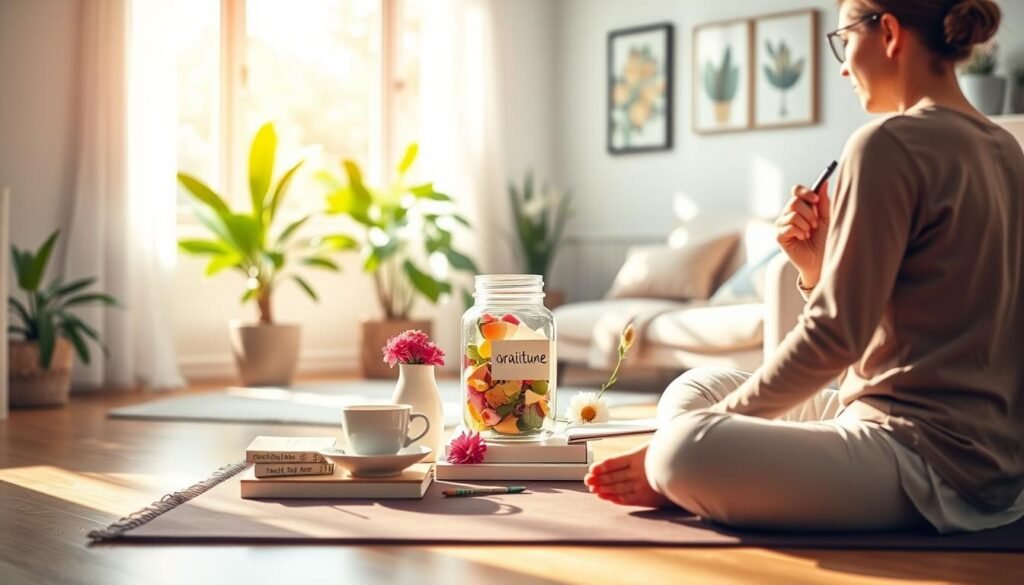
- Create a Morning Ritual: Begin each day by naming one physical, relational, or practical gift. For example, think, “I woke up again today.” This sets a grateful mindset before diving into daily tasks.
- Three-Things Journal: At night, jot down three specific moments, people, or events that brought you joy or support. This helps reinforce positive experiences.
- Try a Guided Meditation: Consider the five-minute video meditation, “A Grateful Day.” It invites you to reflect on your blessings and can serve as a reset.
- Write Gratitude Messages: Identify exactly what someone did for you and how it affected your day. This exercise fosters deeper connections.
- Reflect After Challenges: After a tough week, revisit your gratitude list. Acknowledge which ordinary gifts still hold value without forcing positivity.
Remember, even challenging events like power outages or personal losses can highlight the importance of everyday blessings. By incorporating these practices, you can create a routine that nurtures appreciation and joy.
Integrating Grateful Living into Challenging Times
During difficult periods, recognizing small sources of support can foster a sense of hope. Whether facing illness, grief, or uncertainty, even the tiniest moments of appreciation can make a difference. For instance, you might find solace in a supportive friend or a peaceful moment in nature.
Laura Guzman emphasizes the importance of focusing on what truly matters amidst competing work and family demands. This perspective can help you prioritize your emotional needs while navigating stress.
It’s crucial to acknowledge that political and environmental events can lead to feelings of grief and helplessness. In such times, forced positivity may not be appropriate. Instead, try pairing one honest statement about your difficulty with a statement about care or connection.
Consider converting your appreciation into action. Support loved ones, engage with your community, or protect the places and people you value. These actions can transform your feelings of gratitude into meaningful change.
Inspiring Stories and Practical Tips from Real Life
Think about how a small gesture of thanks can shift your entire outlook. BetterLifeAtlas shares inspiring stories that illustrate this point. For instance, one reader recounted how pausing to express appreciation transformed their morning commute. Instead of rushing, they took a moment to thank their bus driver, creating a positive atmosphere for themselves and others.
To lead a more thankful day, consider these actionable steps:
- Notice One Gift: Take a moment to recognize something you value today.
- Thank One Person: Reach out to someone who made a difference in your life.
- Write One Reflection: Jot down your thoughts on a meaningful experience.
- Take One Value-Based Action: Engage in an act that aligns with your core values.
For more insights, explore BetterLifeAtlas articles on positive habits and emotional resilience. You can also read about thank-yous and continued kindness in the research by Lara B. Aknin and colleagues. Additionally, consider checking out the Greater Good’s holiday guidance for managing family pressures.
Conclusion
Taking a moment to acknowledge life’s gifts can greatly enhance your happiness. Remember, appreciation is not just a reaction to good times; it can be a daily practice. Embrace radical gratitude, which connects you to the people and values that matter most.
Start small by noticing one ordinary gift or expressing thanks during your day. When challenges arise, pause and choose a response that reflects your true values. This shift can make a significant difference in your mindset.
As Br. David Steindl-Rast reminds us, a thankful heart can create happiness, even when life isn’t perfect. Let this perspective guide you toward a more fulfilling life.
FAQ:
- What is radical gratitude?
- Can gratitude improve mental health?
- How do you practice gratitude every day?
- What should you do when you cannot feel grateful?
- Does gratitude make relationships stronger?
FAQ
What is the importance of practicing gratitude?
Practicing gratitude helps shift your perspective, enhancing your overall well-being and mental health. It allows you to appreciate the good things in life, fostering stronger relationships and increasing happiness.
How can I incorporate gratitude into my daily routine?
You can start by noting three things you are thankful for each day. This simple practice can help you cultivate a more positive mindset and remind you of the good in your life.
What are some benefits of expressing gratitude to others?
Expressing gratitude to loved ones strengthens your relationships, making them feel valued and appreciated. This can lead to a more supportive and loving environment, enhancing both your happiness and theirs.
Can gratitude really improve my mental health?
Yes, research shows that practicing gratitude can reduce feelings of anxiety and depression. It encourages a more optimistic outlook, which is beneficial for mental well-being.
What if I find it hard to feel grateful?
It’s common to struggle with gratitude at times. Start small by focusing on simple things, like a warm cup of coffee or a friendly smile. Over time, this practice can help shift your mindset.
How does gratitude influence my relationships?
Gratitude fosters connection and intimacy in relationships. When you express appreciation, it encourages others to do the same, creating a cycle of positivity and support.
Are there any specific exercises to practice gratitude?
Yes! You can try keeping a gratitude journal, where you write down things you are thankful for, or engage in gratitude meditation, focusing on the positive aspects of your life.
How can I maintain a grateful mindset during tough times?
During challenging periods, focus on what you can control and seek out small joys. Practicing mindfulness can also help you stay present and appreciate the moment, even amidst difficulties.